Costs
Record-keeping habits shape a practical home pottery setup
A home pottery studio records what happened in the kiln and what it cost, and the layout that makes both easy decides whether either gets done.

Topic
Costs
A home pottery studio records what happened in the kiln and what it cost, and the layout that makes both easy decides whether either gets done.
Costs
A three sheet spreadsheet for home pottery costs: income, expenses and a summary, plus a year of entries and categories that reveal cost per pot.
Reviews
A home pottery buying order: clay, a way to fire, then a scale, notebook and cones, with Howard show rules and California 4-H showing why records come early.
Reviews
This home pottery case studies comparison uses two published ceramics programs to show how firing method and studio size shape what a small studio can make.
Industry
Selling pottery from a home studio: a seller's permit for sales tax, the federal lead label for decorative ware, and a small first sale run to learn pricing.
Industry
Kiln logs and youth ceramics records show why potters who write down clay, glaze and firing results repeat their best work and diagnose the rest.
Reviews
Pottery buying for a first class: what one university studio's tuition includes, the extra clay and tool kit you pay for, and what a home studio adds.
Reviews
A materials guide from institutional studio inventories: stainless steel, sealed surfaces, refractory brick, and how to match tools and surfaces to wet clay at home.
Maintenance
Buying tools instead of hours, letting them dry dirty, mixing up bodies through shared tools, and skipping the equipment that studios treat as basic.
Reviews
Nine pottery tools earn a place in a home studio for 2027, ranked by what breaks first when a beginner skips them and what each item costs to replace.
Features
A sequence of projects built around single tools, copied from how college courses stage assignments so each one isolates a technique rather than combining five.
Industry
Pottery tools expert tips: the tool lesson nobody teaches beginners is ergonomic, grip, wrist posture and break intervals decide whether you are still making pots.
Features
A beginner project for a studio visit: four questions to ask, why the last two matter most, what to bring, and how to turn one idea into a change at home.
Reviews
Independent ceramic studios storage guide: separate dry powders, wet materials and finished work, label containers, and organize shelves by use.
Rules
How an independent ceramic studio prepares pots for display: finish feet and rims, label and document pieces, pack them safely, set them up, and photograph batches consistently.
Industry
How a ceramic residency works, from K-State's published terms to CCA's looser model, and what the trade teaches independent ceramic studios and home potters.
Reviews
Independent ceramic studios reviews: ask about firing, clay, glaze records and vitrification, then check care details before buying handmade pottery.
Industry
Independent ceramic studios companies: assess work through collections, firing details, photos, and studio safety practices.
Maintenance
A small pottery room prevents mistakes by making the safe choice the easy one, from wet clay and labeled buckets to where the reclaim bin sits.
Costs
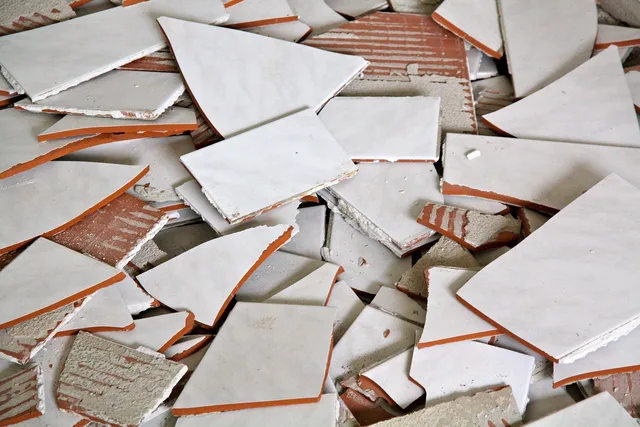
Losses are a supply cost. How to build a waste allowance into pottery costs, and what published exhibition and sale figures show about the rest.
Reviews
A ranked buying order for a home pottery studio in 2027, naming the specific tools and brands that stop the beginner mistakes like cracked rims.
Industry
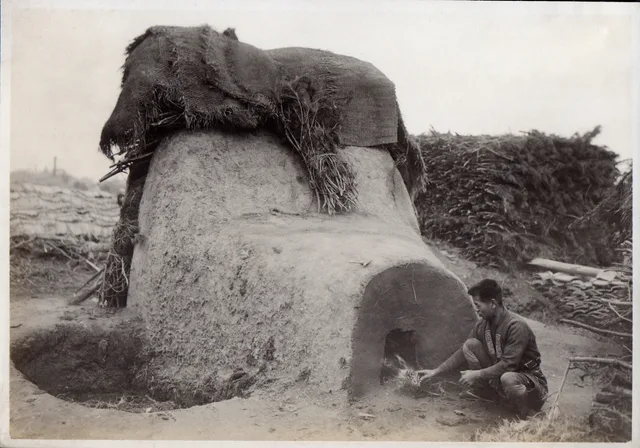
No makers were interviewed. Lessons for solo potters from a published ancient Greek kiln account and one wood firing, with labor and record keeping.
Reviews
Work surfaces that prevent the usual studio mistakes: nothing was tested here. What plaster actually does, why the mixing ratio matters, and how to arrange surfaces.
Maintenance
Underfiring, glaze fit, soluble salts and handling break more home studio pots than bad luck does, and each cracked rim or shivered glaze leaves a mark you can read.
Maintenance
Four home kiln setup mistakes that ruin pots include no vent, guessed clearance, firing damp greenware, and dry cleanup that lifts silica dust into your lungs.
Reviews
Home kiln setup materials in order: a mid-fire clay body, matching Orton cones, dinnerware-safe glaze, shelves and kiln wash, then tile and leach tests.
Reviews
Home kiln setup buying guide: Orton cone numbers, cordierite shelves, high-alumina kiln wash, gloves and a firing log that records cone, time and result.
Industry
A home pottery guide to studio rules, OSHA silica dust, reclaim habits and firing logs, with lessons that keep clay work safe and repeatable.
Features
Five small firing exercises that each answer one question about your kiln, from a cone pack to a bisque test, with the temperatures they turn on.
Reviews
Which pottery work surfaces are worth buying, which are worth making yourself, and why plaster is the cheap material that has no real substitute.
Costs
Sorting pottery supply spending into direct and indirect costs, tracking what a batch really consumes, and the pricing methods that apply once you sell.
Guides
Lay out a spare room for home pottery so clay dust stays out of the house, clay stays workable, and the kiln sits where electrical code allows.
Reviews
What each pottery work surface actually does, why canvas is a dust problem, and how to choose a table when no product test exists to lean on.
Guides
Two days of pottery practice that respect how slowly clay dries: what to make, what to skip, and what has to wait until the following weekend.
Industry
A framework for choosing between a pottery class and a studio membership: what to check in the studio, six questions to ask, and how the two options differ.
Guides
Beginner pottery wheels: how to photograph finished pots with one overhead light, a curved sweep, fixed white balance, and consistent records.
Reviews
Beginner pottery wheels storage, from lidded slip buckets to bat stacking and an end-of-session cleanup that keeps clay dust out of your home studio.
Industry
Small ceramics projects expert tips for home studios: recycle clay properly, run one clay body, and control silica dust with wet methods and simple habits.
Reviews
Clay and glaze materials for small ceramics projects: how silica, fluxes and alumina work, which raw powders are hazardous, and why glaze fit decides.
Features
Fifteen small ceramics projects that fit a single kiln shelf, grouped by the skill each teaches, with the wheel faults and glaze defects that show up most often.
Reviews
The short tool list small ceramics actually needs, what each item does, and the studio machines you can ignore until the work outgrows your hands.
Guides
The cheap version of a safe home pottery space: what to spend real money on, what to improvise, and the one corner of the budget never to cut.
Guides
Two days at the wheel spent on centering and cylinders rather than finished pots, with the reason each stage exists and what is worth recording.
Reviews
Six features to check on beginner pottery wheels: torque, slow pedal control, reversing, splash pan, bat pins and parts, plus the wheel safety basics.
Industry
Where to try a pottery wheel before buying one: no studios are named. What campus and community ceramics programs actually publish about access, fees.
Reviews
Pottery wheels for a first class differ most in bat system, motor type and voltage, and that choice decides what a beginner can actually throw well.
Guides
Plan a home pottery studio around clay, glaze and kiln plus a drying shelf, three stages that decide ventilation, storage and where the wheel can sit.
Guides
A practical overview of home pottery dust control, deciding whether fired work is suitable for food, and the room considerations that shape kiln installation.
Costs
Plan a home pottery budget per firing: your kiln's energy use times your EIA electricity rate, checked against a published studio clay-and-firing price list.
Industry
Home pottery costs makers can track with batch records; one shared-studio example shows equipment, firing rules, and access requirements.
Industry
Home pottery makers: what BLS data on craft and fine artists and the RISD ceramics equipment list say about working in clay outside an institution.
Costs
Working out home pottery cost per pot against the cost of a bag of clay bought at once means tracking every material and hidden studio expense.
Reviews
Wet clay, dry chemicals, and fired work each fail differently: double bag clay, label and date every powder, and pad fired ware on covered shelves.
Reviews
Pottery tools for first-time buyers: no products were tested, so no rankings appear. Instead, what each class of pottery tool and machine actually does.
Features
How to design a ceramics project around a single skill, using the sequence college handbuilding courses follow, so each piece answers one question.
Maintenance
Four habits ruin more home ceramics than any skill gap: dry sweeping, rushed drying, glaze that does not fit, and small batches treated as small exposure.
Reviews
A cheapest-first guide to home pottery buying: clay and tools first, a used wheel later, a kiln last — plus how to work out a kiln's running costs.
Reviews
Buy clay, a surface and dust control before any machine. Firing access decides what you need to own, and a wheel is the last purchase, not the first.




![These shards of broken pottery likely date to the Song Dynasty. They were prized for their rich blue and purple colors. The shards were collected and mounted to show off their coloration. This may have taken place at the end fo the 18th century during the Qianlong [Ch'ien-lung] emperor's reign. Why treat pottery losses as a line item in the supply budget?](/covers/how-to-price-supplies-for-pottery-studio-mistakes-640.webp?v=18803534)