Costs
Home pottery budget: a per-firing method and two benchmarks
Plan a home pottery budget per firing: your kiln's energy use times your EIA electricity rate, checked against a published studio clay-and-firing price list.
A national average price for a mug tells you nothing, because the two numbers that dominate a home budget both swing by a factor of four: what you pay per kilowatt-hour and what you pay to fire. So this is a method for a home pottery budget, with the public sources to fill in, not a figure.
What to take away
- Your electricity rate, not your equipment, sets what a firing costs. Look yours up.
- Published community studio fees are the honest benchmark for what firing is worth.
- Elements, thermocouples and dust control are certain costs, not emergencies.
- Build the budget per firing, then divide by the pots it holds.
- Clay and glaze are cheap per pot. Firing and loss are not.
Start with the price of electricity where you live
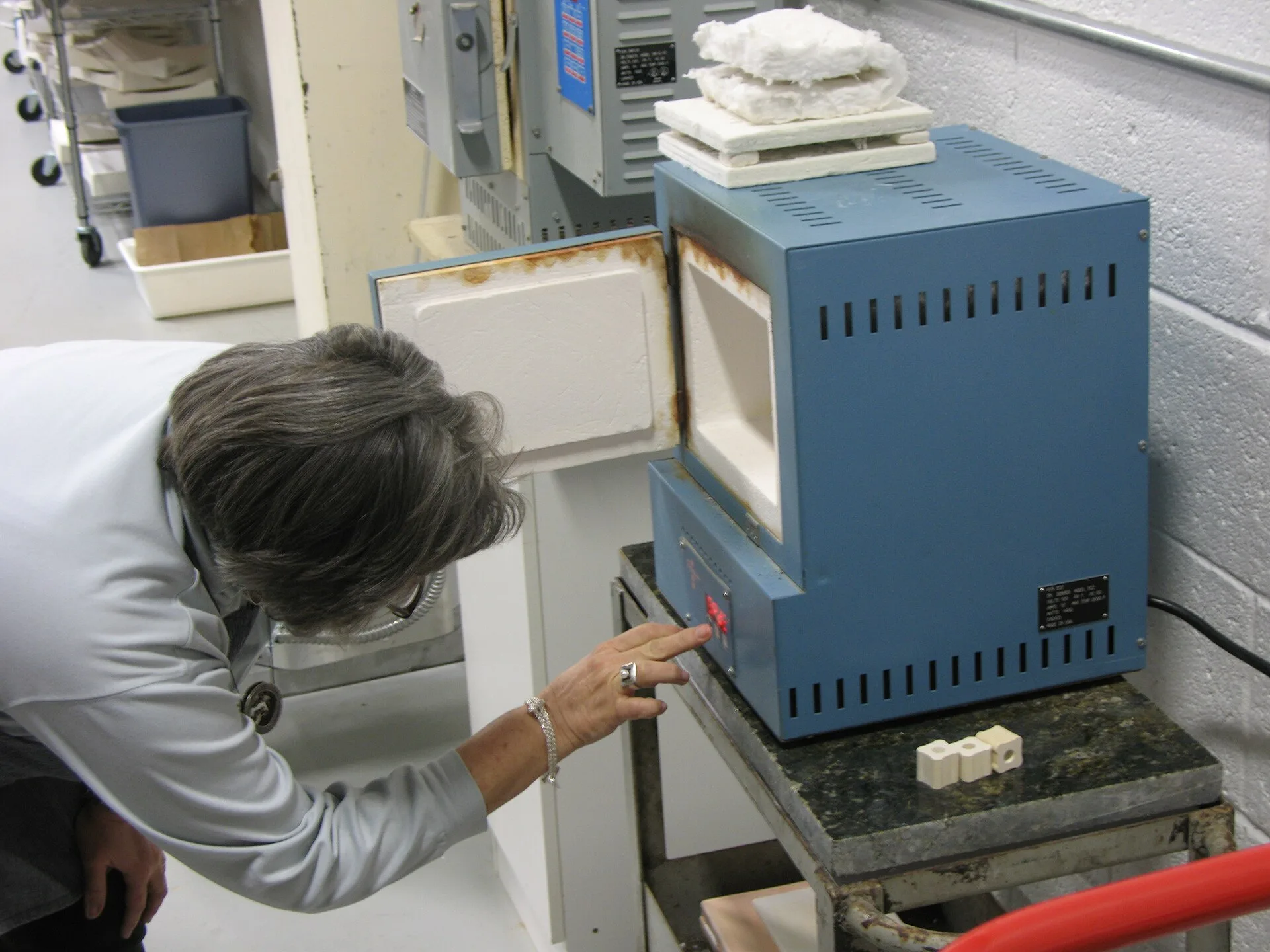
An electric kiln is a large resistive heater. Running cost is a straight multiplication once you know your rate. The other side of that multiplication is the kilowatt-hours your own kiln uses for one firing, which depends on its size and schedule; ask the maker, or have your electrician read it on the kiln's circuit, rather than borrowing someone else's number.
Residential electricity price by state
- Hawaii52.72 cents
- US average18.34 cents
- Nebraska13.25 cents
Those rates are public. The U.S. Energy Information Administration's Electric Power Monthly table of average electricity price by state and sector put the United States residential average at 18.31 cents per kilowatthour in July 2026. Hawaii was highest at 48.00 cents. Louisiana was lowest at 12.72, and Nebraska, the low bar in the chart above, was 13.78.
That spread matters more than any equipment choice. The same kiln on the same schedule costs nearly four times as much in Hawaii as in Louisiana. Look up your own state.
Use published studio rates as a benchmark
If you are deciding between firing at home and paying someone, compare against published numbers. University and community studios post theirs.
Studio clay prices with firing included
Students
- 2.5 pounds
- $5
- 5 pounds
- $9
- 10 pounds
- $18
- Glaze/slip (2 oz)
- $2.50
Community members
- 2.5 pounds
- $6
- 5 pounds
- $10
- 10 pounds
- $20
- Glaze/slip (2 oz)
- $2.50
The Craft Shop at Southern Illinois University's Student Center publishes a ceramics studio price list and sells clay with firing included. Students pay $5 for 2.5 pounds, $9 for 5 pounds and $18 for 10. Community members pay $6, $10 and $20. Slips and glaze run $2.50 for two ounces.
The studio runs two electric oxidation kilns to cone 04 and loads on set days. It allows no outside clay and charges kiln rental separately. Clay priced with firing folded in is common, and it gives you a defensible cost per pound.
The categories that make up the total
| Category | Frequency | Notes |
|---|---|---|
| Forming equipment | Once | Wheel, boards, hand tools |
| Kiln and installation | Once, large | Electrical work often exceeds the kiln |
| Clay | Every batch | Price per pound, plus loss to reclaim |
| Glaze and slip | Every batch | Cheaper per pot than people expect |
| Firing energy or fees | Every batch | The recurring cost that dominates |
| Kiln furniture and wash | Occasional | Shelves crack; wash gets rewashed |
| Elements and controllers | Every few years | Plan for it before it happens |
| Dust control | Ongoing | Mop, HEPA filters, gloves |
Two rows there are the ones beginners omit: elements and dust control. Both are certain. The mop and filters that do the dust control cost little enough to buy at the start.
Build it per firing
Work out what one full firing costs you, all in. Divide by the number of pots it holds. That figure answers most decisions: whether to fire half full, make smaller work, or rent firing instead of owning a kiln.
It also feeds into pricing your supplies and into the order you buy things in.
Where the numbers come from
Two public sources cover most of the budget. The EIA electricity table gives your rate by state and sector. Published studio price lists give what firing is worth where you live.
Neither tells you your installation cost. Electrical work for a kiln often exceeds the kiln itself, and only a licensed electrician quoting your panel can price it.
What varies by jurisdiction
Kiln siting, ventilation and circuit requirements are set locally, not nationally. In Canada, CSA approval and the provincial electrical code govern the install. In the United States, your local building and fire authority does.
Confirm with the authority having jurisdiction and a licensed electrician before you buy. Nothing here replaces that.
Common questions
Why not just publish an average cost per mug?
Because the inputs vary by more than the answer. An average built on a national electricity rate and an assumed kiln load would be wrong for almost every reader.
Is a kiln cheaper than paying for firing?
Eventually, if you fire regularly. Breakeven depends on your electricity rate, firing frequency and the electrical installation cost. That is why the per-firing number matters.
How much should I set aside for repairs?
Elements and thermocouples are consumables, not failures. Treat them like tires: budget for replacement on a schedule rather than as an emergency.
Do glaze materials really cost so little?
Per pot, yes, if you buy prepared glaze and use it at normal thickness. Firing, clay and anything you lose to a fault dominate instead.
In this guide
- Which work surfaces earn their cost in a home pottery studio?Which pottery work surfaces are worth buying, which are worth making yourself, and why plaster is the cheap material that has no real substitute.
- What one shared ceramics studio offers home pottery makersHome pottery costs makers can track with batch records; one shared-studio example shows equipment, firing rules, and access requirements.
- Home Pottery Buying Order: What to Buy FirstA cheapest-first guide to home pottery buying: clay and tools first, a used wheel later, a kiln last — plus how to work out a kiln's running costs.
- Where do direct costs end and overhead begin for a beginner pottery batch?Sorting pottery supply spending into direct and indirect costs, tracking what a batch really consumes, and the pricing methods that apply once you sell.
- Home pottery costs in a small space: what the budget actually coversThe cheap version of a safe home pottery space: what to spend real money on, what to improvise, and the one corner of the budget never to cut.