Reviews
Part of Best pottery tools for 2027: a ranked shortlist
What survives in a wet pottery studio: stainless steel, sealed surfaces and refractory brick
A materials guide from institutional studio inventories: stainless steel, sealed surfaces, refractory brick, and how to match tools and surfaces to wet clay at home.
Pottery is hard on materials. Everything in the room is wet, abrasive and slightly alkaline, and the things that survive are chosen for that rather than for looks. Institutional studios have already made those choices, and their published inventories show what they landed on.
What to take away
- Stainless steel and sealed surfaces survive a wet studio. Mild steel and bare wood do not.
- Match a tool's material to the jobmetal cuts, wood shapes, rubber smooths.
- Refractory materials go near the kiln, and nothing else does.
- Choose things you can wash. Anything porous becomes a dust source.
What studios build in
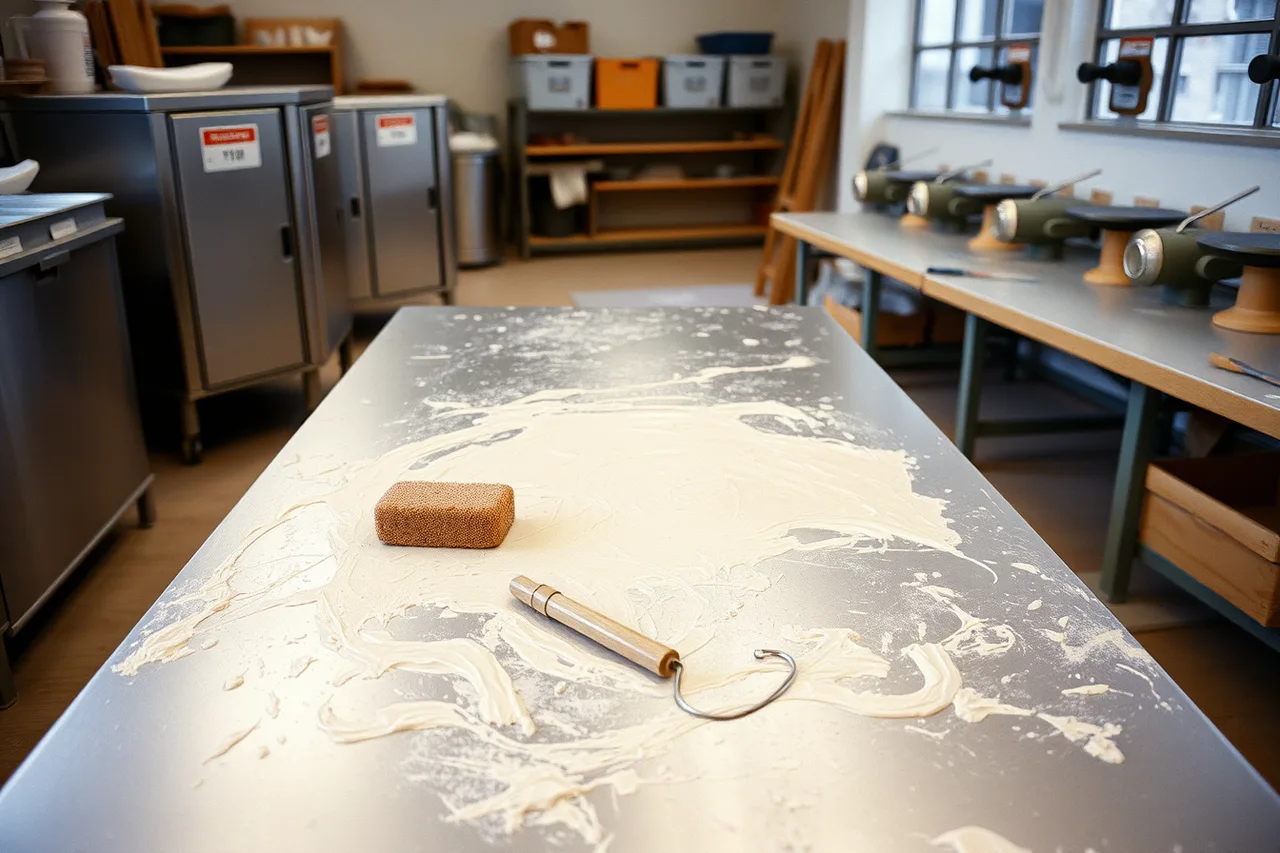
A university ceramics facility inventory is a materials list in disguise. One 6,000 square foot studio has stainless steel hand-building tables and stainless-steel raw-material bins. It also has 20 motorized wheels with individual workstations, a slab roller and extruders, a ball mill, two clay mixers, a pug mill, a spray booth, and a kiln room.
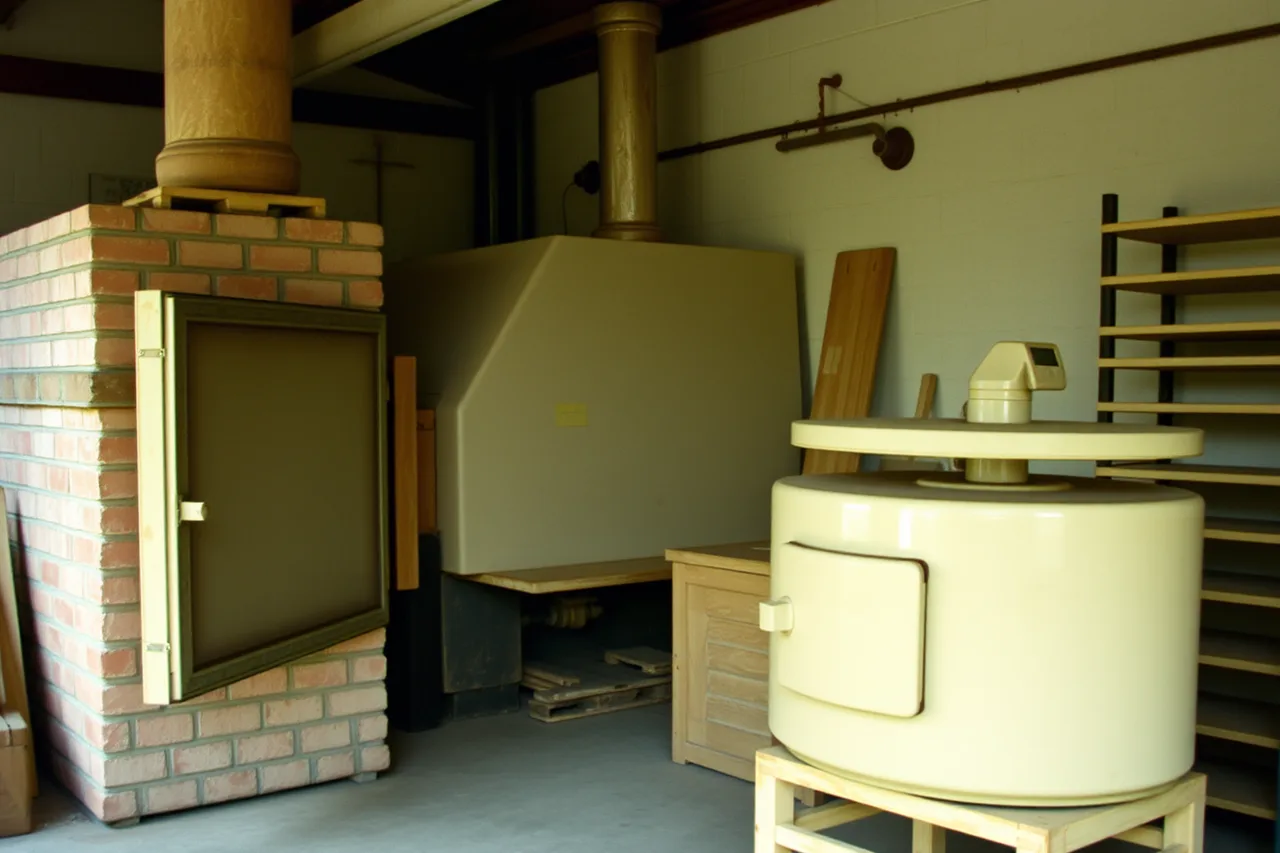
That kiln room holds two downdraft gas kilns at 70 and 50 cubic feet, a 25 cubic foot cross draft soda kiln, five 19 cubic foot top-loading oval electric kilns and two test kilns.
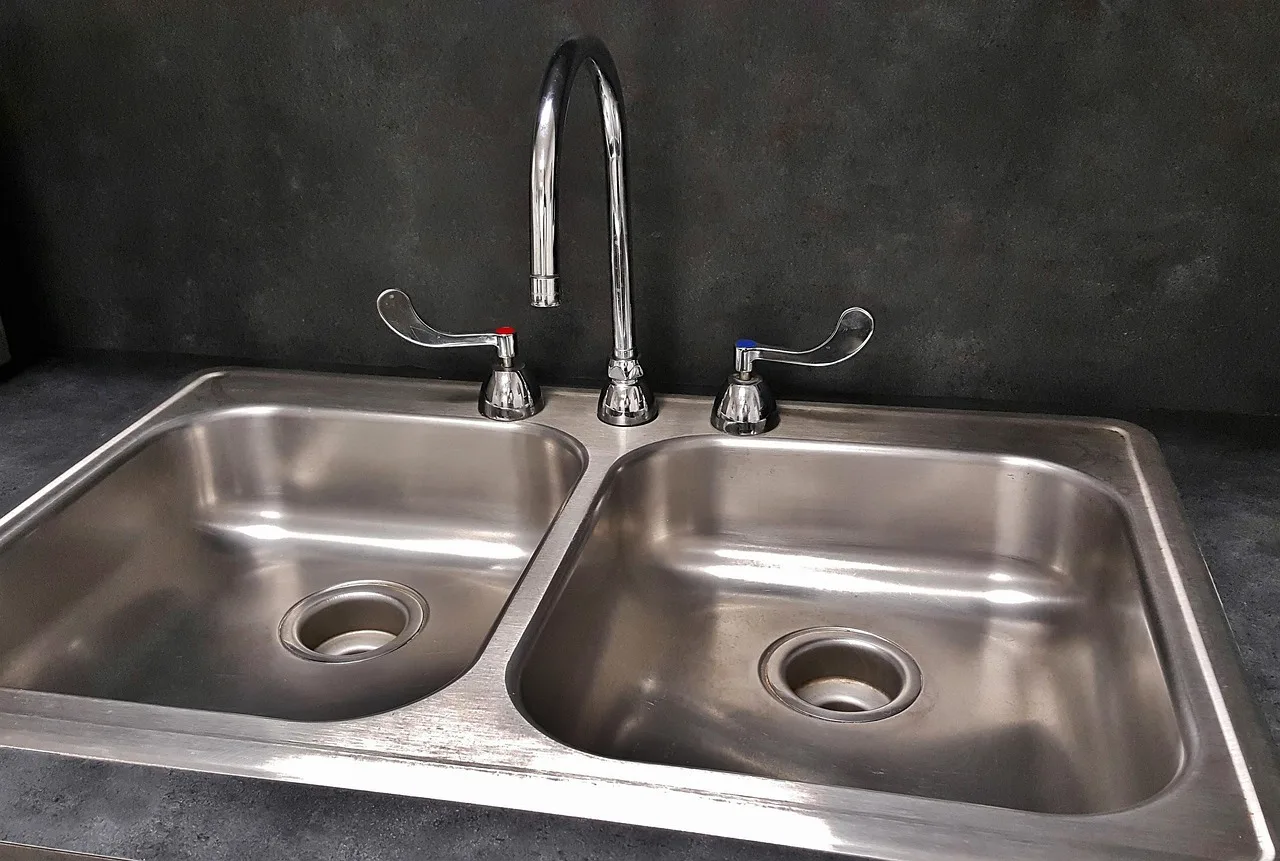
Stainless is not there for appearance. It is there because a table gets sponged down several times a day for decades, and because clay slip will rot a wooden edge and rust a mild steel one within a season.
Matching material to job
| Job | Material that works | Why |
|---|---|---|
| Cutting and compressing | Steel ribs and loops | Holds an edge; washes clean |
| Shaping without cutting | Hardwood tools | Softer than the clay's edge |
| Smoothing | Rubber ribs | Flexes to the form, leaves no line |
| Work surfaces | Stainless, sealed ply, plaster | Each for a different water behavior |
| Anything near the kiln | Refractory brick and shelves | Everything else fails at temperature |
| Storage | Sealed plastic with lids | Nothing porous, nothing unlabeled |
Firing method changes the materials you need
The materials in a studio follow from what it fires. Another university program lists 25 electric wheels and 10 kick wheels alongside a 40 inch slab roller, two extruders, a de-airing pug machine and an industrial glaze spray booth.
Its kilns cover four computerized electric units, a 36 cubic foot electric car kiln, a 35 cubic foot gas kiln, a 60 cubic foot soda kiln, a 115 cubic foot anagama wood kiln and a raku kiln. It teaches electric, pit, raku, gas, soda and wood firing.
A studio that fires soda and wood needs different shelves, different wadding and different protective gear from one that fires only electric. At home the same logic applies in miniature: buy for the firing you actually do.
The home version
Sealed plywood, stainless or laminate, plaster in its own zone, plastic with lids, and refractory only where heat occurs. Re-seal wood when water stops beading on it, and replace plaster when it chalks under a fingernail.
It covers almost every surface decision and pairs with the kit a course requires and the tool judgments that come before any purchase.
Common questions
Is stainless worth the cost for a home table?
Usually not, if you seal plywood properly and re-seal it. What matters is that the surface can be washed rather than what it is made of.
Why do wooden tools wear so fast?
Because clay is abrasive and water swells the grain. That is also why they are gentle on a pot, and the trade is worth it.
Can I use kitchen tools?
Some, and courses even list a metal fork and cheap brushes. Once a tool goes into the studio it should stay there and never return to the kitchen.
What about 3D printed tools?
They work for shapes you cannot buy, but printed plastic is porous at the layer lines and holds clay. Seal them or accept that they are consumables.