Reviews
Part of Pottery studio failures: underfiring, crazing, and how handling breaks pots
Some purchases prevent pottery studio mistakes better than others in 2027
A ranked buying order for a home pottery studio in 2027, naming the specific tools and brands that stop the beginner mistakes like cracked rims.
A buying order for a home pottery studio is only useful if it names things. Below are the specific purchases that prevent pottery studio mistakes beginners make most, ranked by how much trouble each one prevents. Course lists from teaching studios set the floor. The named products are what potters actually buy to meet it.
What to take away
- Buy two bags of clay, not one. Repetition is the only teacher.
- A Sherrill Mudtools serrated rib compresses and scores a wall in one pass, which prevents the cracks that show up weeks later.
- A 5-gallon lidded bucket from Lowe's or Home Depot keeps scraps from drying into airborne dust.
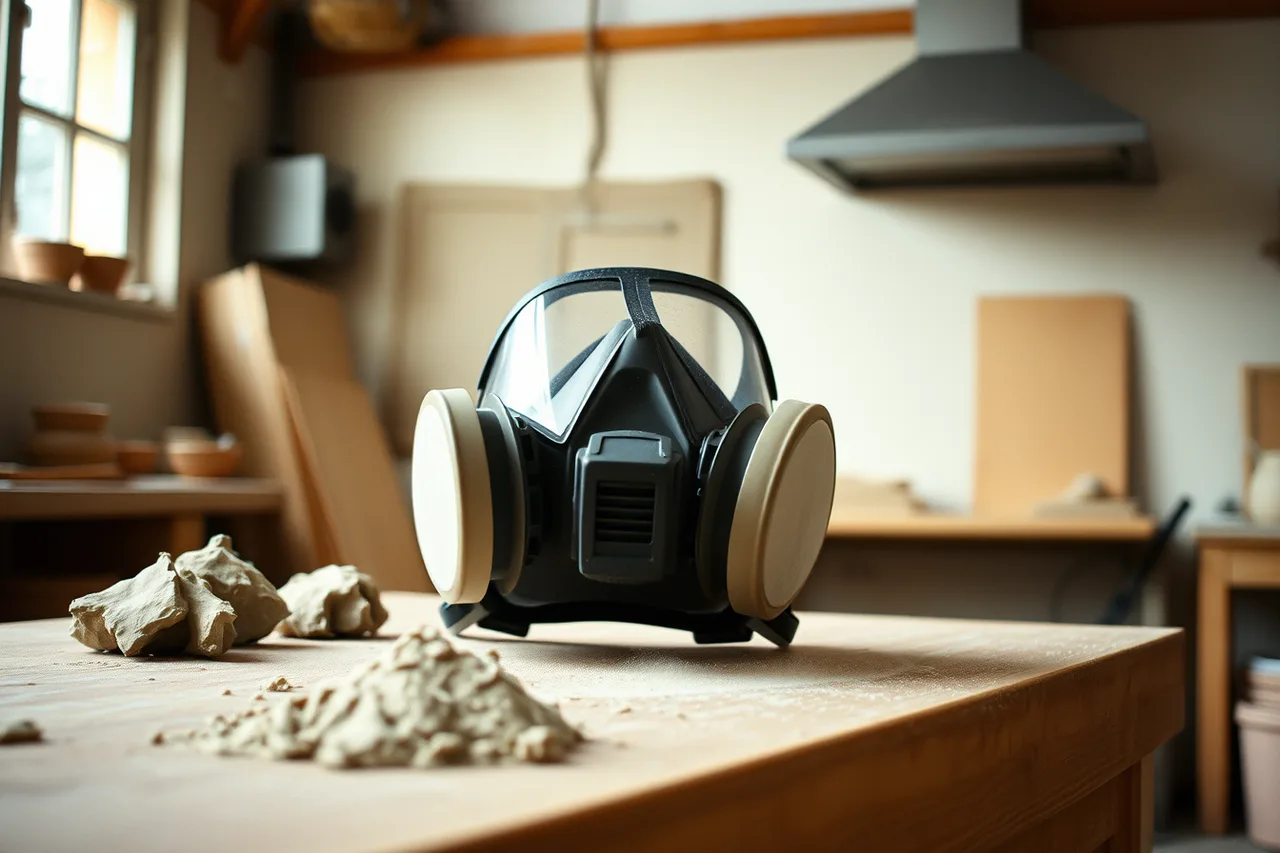
- A fitted half-mask respirator with P100 cartridges, such as the 3M 6502QL, beats a paper mask for mixing dry material.
- Skip raw glaze chemicals, spray guns and a second clay body in year one.
Start from what a course actually requires
Published course materials lists are the most honest buying guide available, because a department knows what students need by week three. One university's beginning ceramics syllabus requires a sketchbook, a basic ceramic tool kit, and one or two watercolor or calligraphy brushes.
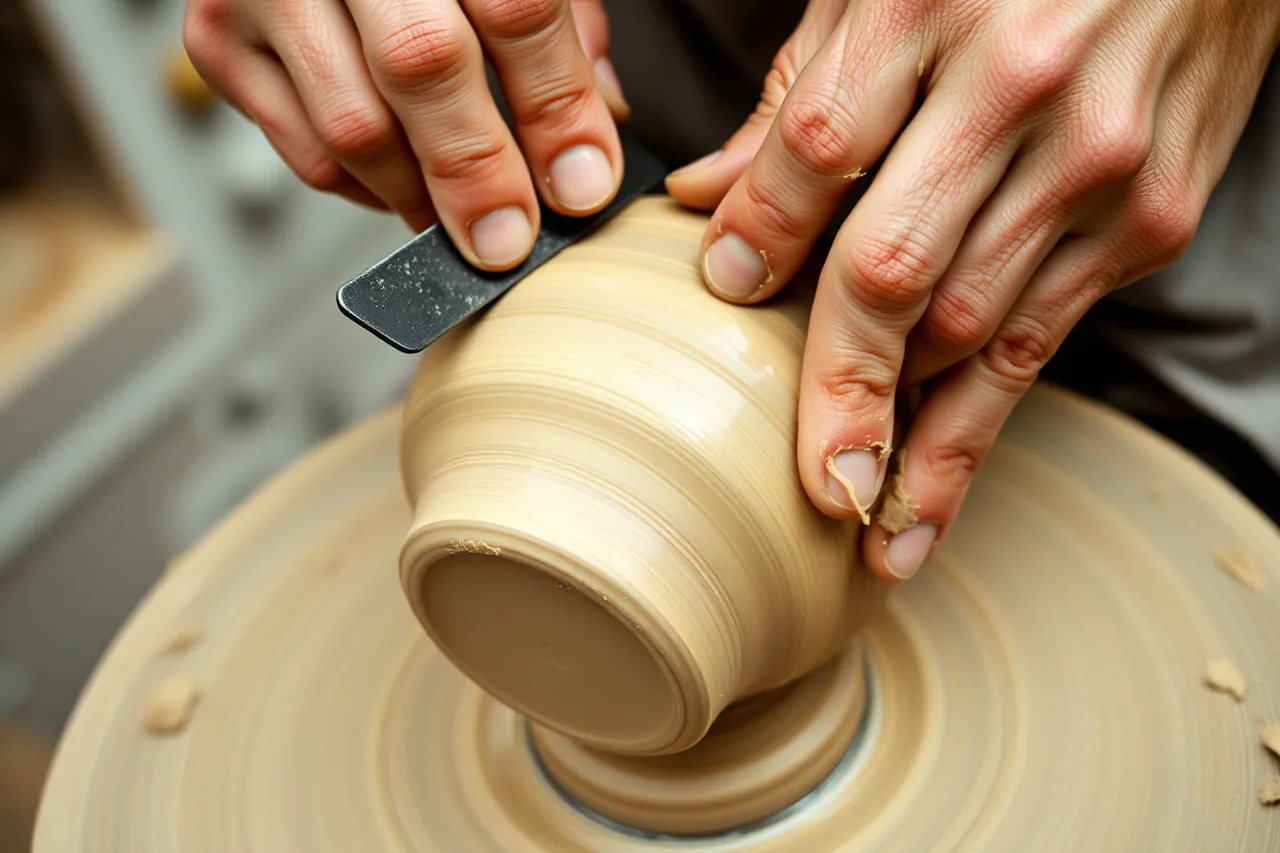
The list continues with a serrated rib, noted as available only online, a small plastic container with a lid, a large container for throwing water and a small towel. An apron is optional.
Students should expect to use at least two bags of clay. A course fee of $19.00 per credit covers glaze, slips, firing, some studio tools and upkeep.
An eight-piece beginner tool kit runs about $15 to $30 at Sheffield Pottery, Blick or Clay-King. The Mudtools Sherrill rib costs about $22 to $28 and ships from ceramics suppliers, which is why the syllabus flags it as online only.
Clay is the biggest line. Laguna B-Mix 5 and Standard 112 are two widely used stonewares. A 25 lb bag typically costs $25 to $40, and more far from a distributor. A 50 lb box usually beats two single bags on price.
Two items in that list are worth copying. The serrated rib is singled out because it does a job no other tool does. The two-bag minimum is a statement about repetition: one bag is not enough to learn from.
The ranked buying order
| Rank | Purchase | Mistake it prevents |
|---|---|---|
| 1 | Two 25 lb bags of clay, such as Laguna B-Mix 5 or Standard 112 | Learning from one attempt instead of ten |
| 2 | Sherrill Mudtools serrated rib, about $25 | Thin, uncompressed walls that crack later |
| 3 | 5-gallon lidded bucket, about $10 at Lowe's or Home Depot | Scraps drying on the floor and becoming dust |
| 4 | 3M 6502QL half-mask with P100 cartridges | Exposure during dry work you cannot avoid |
| 5 | Nitrile gloves from Microflex, 6 mil | Daily skin contact with glaze materials |
| 6 | Ohaus Compact Scale or Escali Primo kitchen scale | Guessing at clay weight and plaster ratios |
The six items together typically cost $150 to $220, and clay and the respirator take most of that. Figures are typical US prices for 2027. Buying from a ceramics supplier matters more than chasing a cheaper brand, because a mask that does not seal or a rib that flexes gets bought twice.
Why the respirator has to fit
Dry ceramics work is where the real exposure sits, and a mask that does not seal does very little. A college art safety policy is specific about the hazard. Pottery clay contains silicates that can be hazardous if inhaled.
Many low-fire and slip-casting clays contain talc, which may be contaminated with asbestos, and glazes contain free silica along with toxic metals such as cadmium, lead or cobalt.
Its instruction is to use exhaust ventilation and to wear an appropriate particulate dust respirator when mixing clay dust, breaking up dry grog, or mixing and spraying glazes. Note the order: ventilation first, respirator second. A respirator is what you add when the dry job cannot be avoided, not a substitute for keeping the dust down.
The 3M 6502QL is a medium. The 6501QL and 6503QL fit smaller and larger faces, so fit is the reason to try a mask before ordering online. P100 cartridges such as the 3M 2091 or 2297 stop the fine dust that paper masks pass. A half-mask typically runs $30 to $50, and cartridges about $10 to $20 a pair.
What to skip in the first year
Raw glaze chemicals in powder form, a spray gun, a second clay body, and anything that needs its own ventilation.
Each adds a hazard a first-year home studio is not set up to handle, and none improves the work as much as more repetitions would. Spend the money on clay and firing instead.
A spray gun from Paasche or Iwata needs a booth and a respirator rated for it, which makes it a second-year purchase at best. Keep the failure list and the staffing reality in mind when planning what to attempt.
Common questions
Is a paper dust mask ever enough?
For brief, incidental dust it is better than nothing. For mixing dry material it is not: it does not seal to the face, and its rating does not cover the fine fraction that matters. A P100 cartridge does.
How much clay should I buy at once?
Enough for the project plus repetition, which usually means two 25 lb bags rather than one. Store it sealed and off concrete.
Do I need a scale?
Yes, and a cheap kitchen scale covers most of it. The Escali Primo runs about $25 to $35, and Ohaus compact scales sit in a similar range. Clay weight for repeatable forms and plaster ratios both depend on weighing rather than guessing.
Should I buy gloves or barrier cream?
Gloves. Nitrile gloves are cheap, and they remove the exposure rather than reducing it, which is the difference that matters over years. A box of 100 Microflex gloves typically costs $12 to $20.
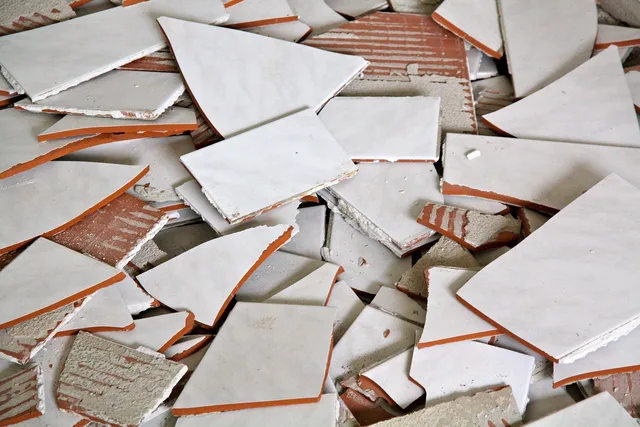

![These shards of broken pottery likely date to the Song Dynasty. They were prized for their rich blue and purple colors. The shards were collected and mounted to show off their coloration. This may have taken place at the end fo the 18th century during the Qianlong [Ch'ien-lung] emperor's reign. Why treat pottery losses as a line item in the supply budget?](/covers/how-to-price-supplies-for-pottery-studio-mistakes-640.webp?v=18803534)