Industry
Production studies and youth ceramics records agree on one habit: keep notes
Kiln logs and youth ceramics records show why potters who write down clay, glaze and firing results repeat their best work and diagnose the rest.
What to take away
- A 5 by 8 inch index card taped beside the kiln, with a pencil on string, beats any app you open twice a month.
- Six fields carry the valueclay body and batch, form and clay weight, drying days, bisque cone, glaze and application, result with a photograph.
- Write the entry while the kiln is still cooling, because drying times and shelf position stop being recoverable within a week.
- Photograph failures next to their notes. A crack image beside the drying dates is the fastest diagnosis a home potter gets.
- Expect the log to pay off after about six firings, when comparison replaces memory.
What the Pueblo I kiln study recorded
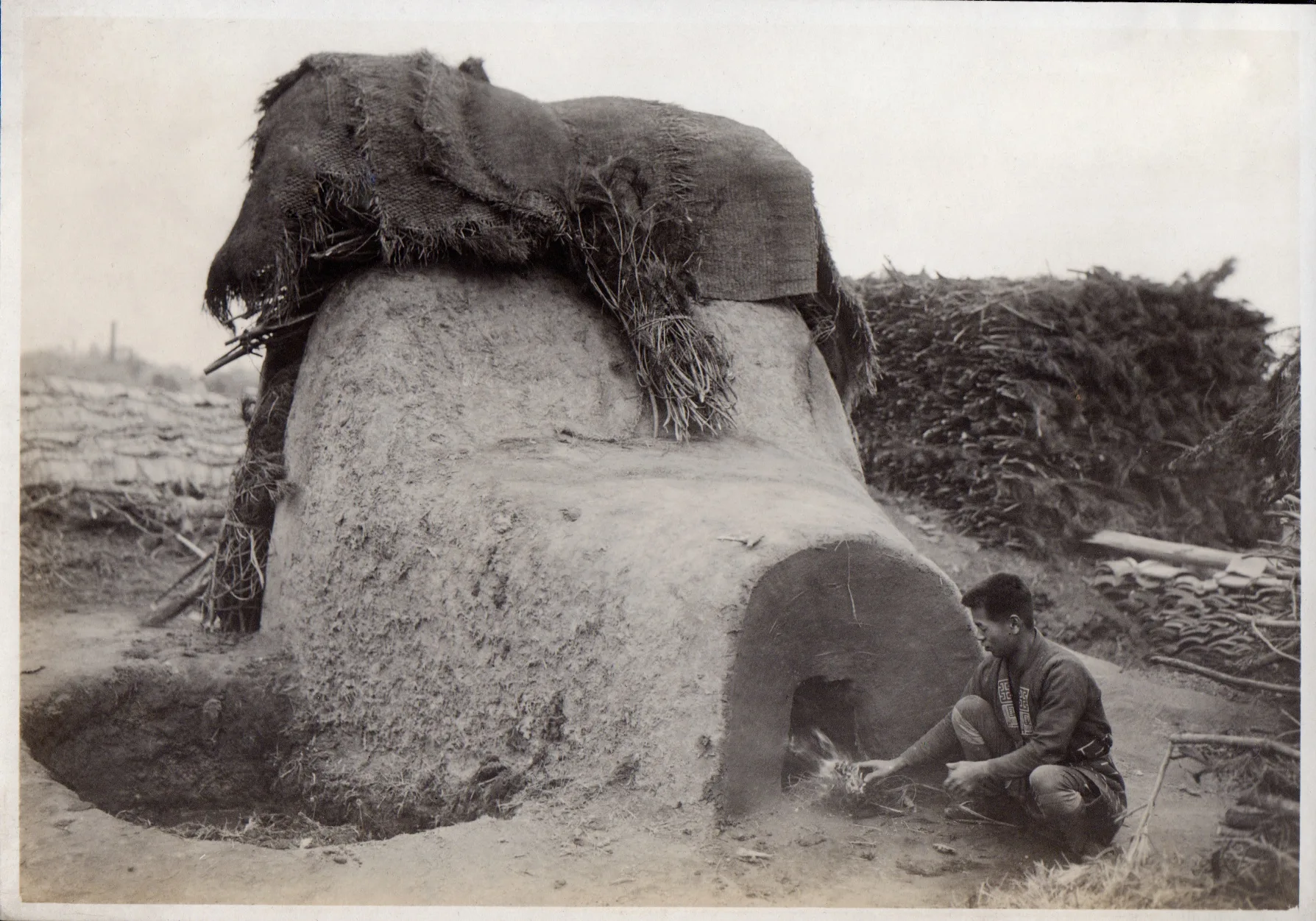
A study of an early Pueblo I site, published in Pottery Southwest, volume 37, numbers 3 and 4, describes excavated pottery kilns found with unfired sherds.
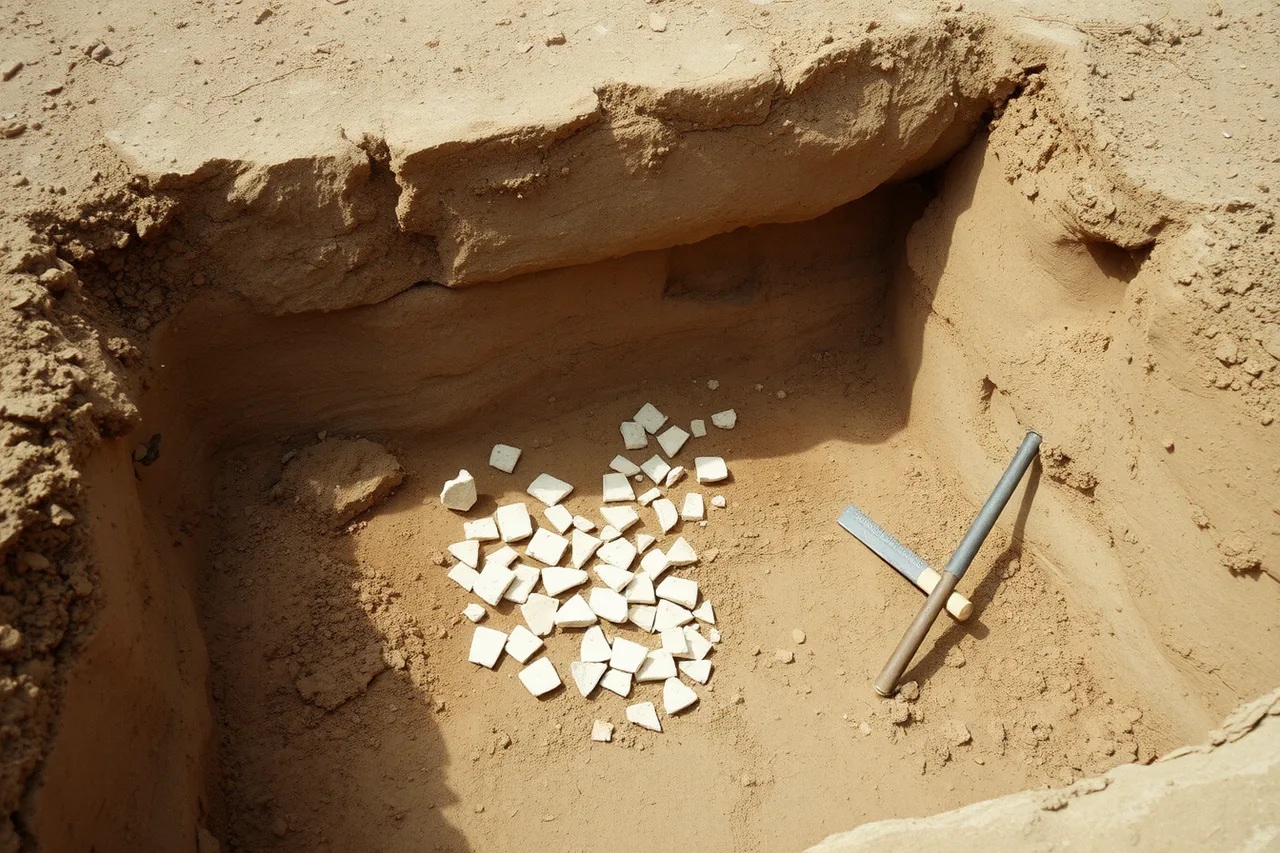
The authors paired ceramic analysis with clay voucher sampling from sources inside a 5 kilometer catchment. That pairing separates locally made pots from traded ones. A pot becomes readable when it is tied to a clay source and a firing place.
Home potters throw that link away. They keep the pot and lose the clay batch, the firing position and the week it was made. A studio storage checklist fixes half the problem, because a labelled bag can be matched to a card months later.
What Colorado 4-H asks members to write down
The Colorado 4-H ceramics project runs nine units for members aged 8 to 18. Units 1 and 2 cover hand-building. Units 3 through 6 move through underglazing, glazing and overglazing. Units 7 to 9 cover sculpture, wheel throwing and production molds.
Every member keeps a record with demonstrations, talks, a short written story and photographs. At least one photograph must show the member working, not only the finished piece. Adults skip that step, then wonder why a good glaze result will not repeat.
What a kiln log has to contain
| Field | Why it matters later |
|---|---|
| Clay body, supplier and batch | Bodies change between batches, and results change with them |
| Form and clay weight | Makes a repeat possible at all |
| Drying days and conditions | Explains cracks long after the fact |
| Bisque cone and schedule | Many glaze faults start in the bisque |
| Glaze, thickness and application | The variable people forget first |
| Firing cone, shelf position, cooling | Where kiln unevenness shows up |
| Result, with a photograph | The only entry you will re-read often |
Firing position means little until you know how your own kiln behaves. Firing exercises that test what your kiln can actually do give you the shelf map you then record.
Add one line for whether the kiln vent ran. Firing and glaze chemicals release volatile organic compounds into indoor air, and a vent note tells you which firings needed more airflow.
Example: a filled-in kiln log entry
Every line below takes under two minutes to write. The detail is ordinary. The point is that it can be compared with the next twenty.
Field / Entry
- Fire number
- 12
- Clay
- Cone 6 stoneware, batch 2409, 1.1 kg
- Form
- Two mugs, pulled handles, about 320 g each
- Drying
- 9 days on an open wire shelf
- Bisque
- Cone 04, slow, kiln half full
- Glaze
- Matte white, dipped 3 seconds, rim waxed
- Firing
- Cone 6, top shelf, cone 6 down, cone 7 bending
- Result
- Even glaze; one handle crack above the join
Pottery studio failures such as crazing or a join that cracks in the kiln stay invisible until firings can be set side by side.
Card, notebook or app: which format to choose
A card first. A 5 by 8 inch index card holds two firings if you write small, and it lives where the work happens.
A spiral notebook suits anyone also logging greenware stages, reclaim and glaze mixing. Keep it covered or the pages will grey with dust.
An app or spreadsheet works if you already open it daily. The failure mode is the phone staying in the house while the kiln sits in the garage. Photograph each finished card so a spill does not erase a year.
A short routine that keeps the log current
Both records in this article make the note at the moment the information exists. This routine does the same in five minutes.
- Tape a card and pencil beside the kiln before the next firing.
- Fill the clay, form and drying lines when you load the bisque.
- Photograph the loaded shelf, which records position without writing.
- Add the glaze and firing lines as the kiln cools, before you unload.
- After six entries, read back and mark any result worth repeating.
A log also settles money questions once it has a few months of entries. Clay per pot and firings per month turn a realistic home pottery budget into arithmetic rather than guesswork.
Common questions
What is the minimum useful record?
Should I photograph failures as well as successes?
How long before a log pays off?
Do I need to record the kiln room as well as the pot?
In this guide
- Home pottery lessons from two ceramics programs comparedThis home pottery case studies comparison uses two published ceramics programs to show how firing method and studio size shape what a small studio can make.
- Selling pottery: sales tax, lead labels and a first saleSelling pottery from a home studio: a seller's permit for sales tax, the federal lead label for decorative ware, and a small first sale run to learn pricing.
- A home pottery buying order built around keeping recordsA home pottery buying order: clay, a way to fire, then a scale, notebook and cones, with Howard show rules and California 4-H showing why records come early.
- How to track home pottery costs with a three sheet spreadsheetA three sheet spreadsheet for home pottery costs: income, expenses and a summary, plus a year of entries and categories that reveal cost per pot.
- Record-keeping habits shape a practical home pottery setupA home pottery studio records what happened in the kiln and what it cost, and the layout that makes both easy decides whether either gets done.