Reviews
Part of Production studies and youth ceramics records agree on one habit: keep notes
Home pottery lessons from two ceramics programs compared
This home pottery case studies comparison uses two published ceramics programs to show how firing method and studio size shape what a small studio can make.
Every meaningful pottery choice is a trade, and the trades are easier to see in institutions than at home because institutions publish theirs. Two published programs — the ceramics program at the University of North Texas and the ceramics area at UCLA — show how firing capability and space shape what gets made. This home pottery case studies comparison draws on institutional case studies rather than spare-room ones: it uses only what each program publishes about its own facilities.
What to take away
- Firing capability, not skill, decides the range of work available to you.
- Space determines batch size, which determines how fast you learn.
- A program that lists six firing methods is describing six different bodies of work.
- At home, choose one firing method and go deep rather than wide.
Two published ceramics programs, side by side
The University of North Texas describes a 25,242 square foot annex with 40 studios for graduate students and the ceramics program.
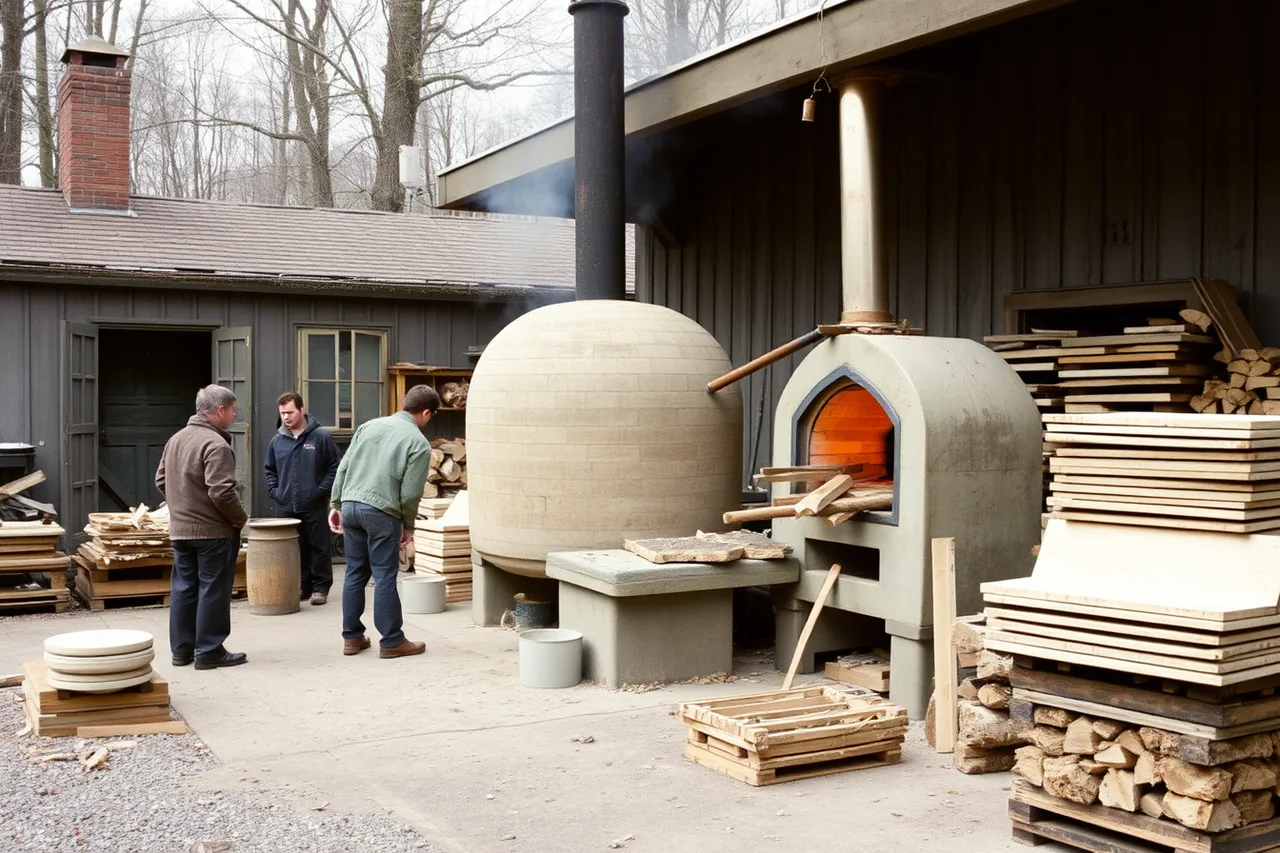
Firing covers electric, gas, wood, raku, saggar or pit. Soda firing, clay body and glaze preparation and kiln stacking are taught, plus wheel-throwing, mold-making and hand-forming.
UCLA has a suite on one floor with dedicated rooms, including a clean room and a glaze room. It lists throwing wheels, slab rollers, gas and electric kilns, glazes and raw materials, a walk-in spray booth and work room.
Its instruction is more narrowly described as form construction, hand-building, wheel-throwing, and surface design through glazing and other techniques. A three-year graduate course of study supports clay-based elements in performance, video, and installation.
Neither is better; they are different bets. One buys breadth of atmosphere, so a maker there can learn what soda does to a surface and what wood ash does to a shoulder.
The other buys depth in a narrower technical range. It includes a spray booth, a clean room, and space for work that is not a pot at all.
The same trade at home
What it buys
- Electric only
- Simplicity, predictability, a legal install
- Rented atmospheric firing
- Access to soda, wood, raku
- Small kiln
- Frequent firings, fast feedback
- Large kiln
- Fewer, cheaper firings per pot
- One glaze
- Results you can actually interpret
What it costs
- Electric only
- No atmospheric surfaces
- Rented atmospheric firing
- Schedule, travel, and less control
- Small kiln
- Small work only
- Large kiln
- Slow feedback, more drying space needed
- One glaze
- Narrow visual range for a year
The costs in that table are what each choice gives up — time, space and surface — not a price list; what a kiln, its circuit and its ventilation cost depends on your market and your building. In the United States, kiln wiring falls under the National Electrical Code (NFPA 70), and the electrical permit comes from your city or county building department, usually with an inspection. Size the circuit from the kiln's nameplate and have a licensed electrician confirm your panel has room before you buy.
Why breadth is expensive
Each firing method on a program's list has its own kiln, shelves, protective gear, and schedule, worth seeing in person before you want one.
A department can afford six because the cost is spread across hundreds of students over decades. A home potter carrying two is already running two sets of consumables and two sets of habits. The second one usually gets neglected until a firing goes wrong.
How to make the comparison honestly
Write down what you want to make in twelve months, then work backward to the firing it requires and the space that firing needs. Most people discover their ambition needs a method they cannot install, at which point the real choice is between renting that firing occasionally and changing the ambition.
Both are respectable, and the second is often the wiser one for a first home studio. What does not work is buying an electric kiln while planning work that only makes sense in reduction, then blaming the kiln. Test that assumption before spending, with what to buy first as your order of purchase and a firing log as your own record.
Common questions
Can I get reduction effects in an electric kiln?
Some, through glaze chemistry and controlled cooling, and they are not the same. Treat them as their own family of surfaces rather than substitutes.
Is a small kiln really better for learning?
For the first two years, usually. More firings mean more feedback, and feedback is the constraint on improvement.
How much space does a serious home practice need?
Less for making than for drying and storing. Count shelf area before floor area: the kiln, the clearance around it and the shelves that feed it set the real footprint of a home studio.
Should I plan for a second kiln later?
Plan the electrical supply for it, if that is cheap to do now. A kiln is a heavy load that usually wants a circuit and breaker of its own, so adding capacity later is mostly an electrical problem, not a kiln problem: check the spare room in the panel and the amperage your kiln's nameplate calls for.