Guides
Part of Choosing a beginner pottery wheel: 6 features to check
A weekend pottery wheel plan built around centering, not finished cylinders
Two days at the wheel spent on centering and cylinders rather than finished pots, with the reason each stage exists and what is worth recording.
The mistake in a first weekend at the wheel is trying to make things. Two days is enough to get centering working and to throw a passable cylinder, and both of those are worth more than a shelf of wobbly bowls.
What to take away
- Spend Saturday on centering alone. It is the gate everything else passes through.
- Throw cylinders, not bowls. A bowl hides the errors a cylinder shows.
- Reclaim everything. Nothing from a first weekend needs to be fired.
- Record weight of clay, height achieved and wall thickness for every attempt.
Why the sequence goes this way
The physical steps of throwing have not changed. Knowing what each one does makes practice deliberate rather than hopeful. A university description of throwing on the wheel sets them out.
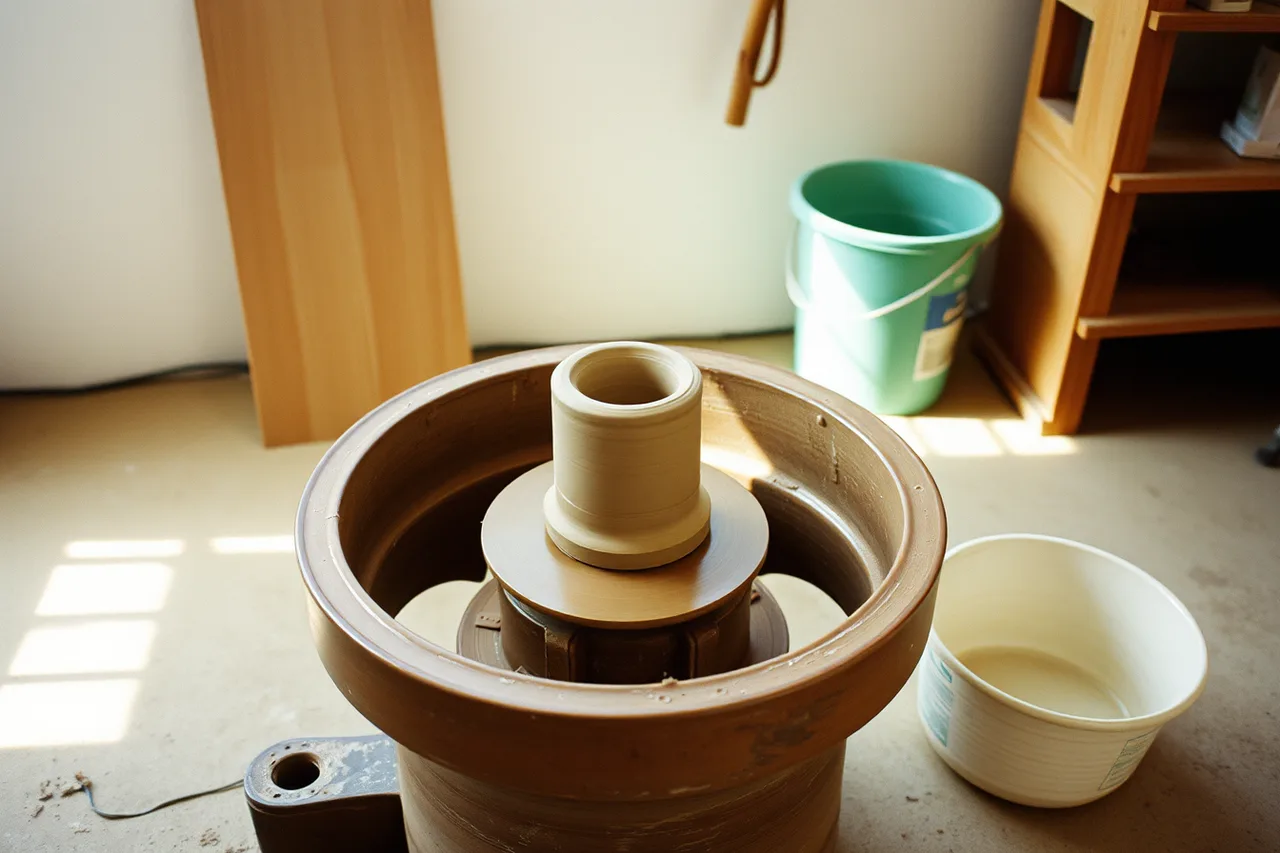
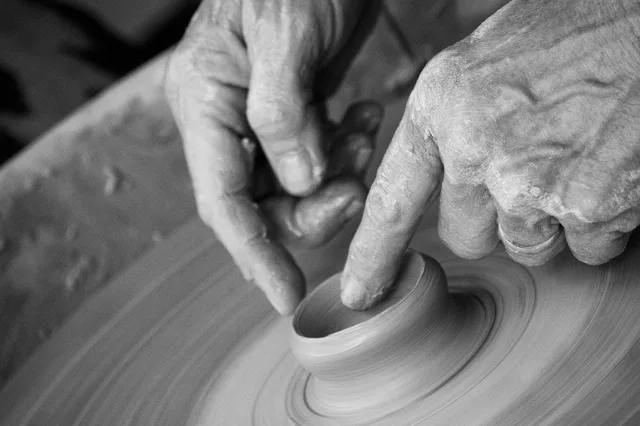
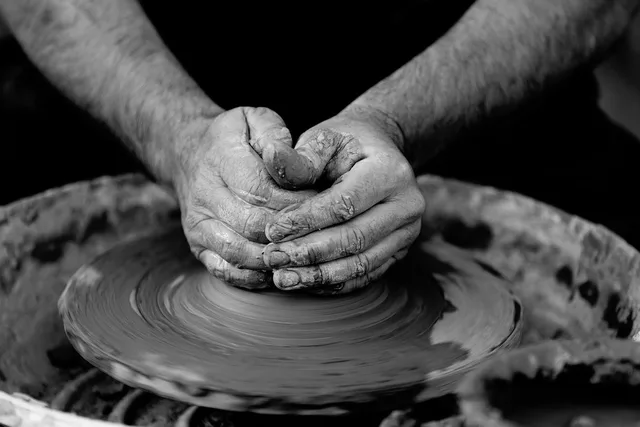
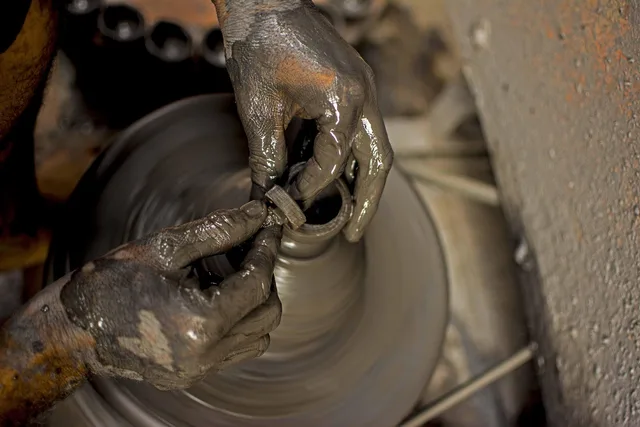
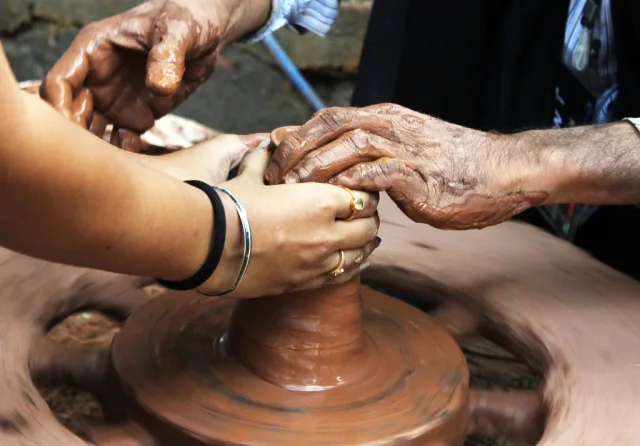
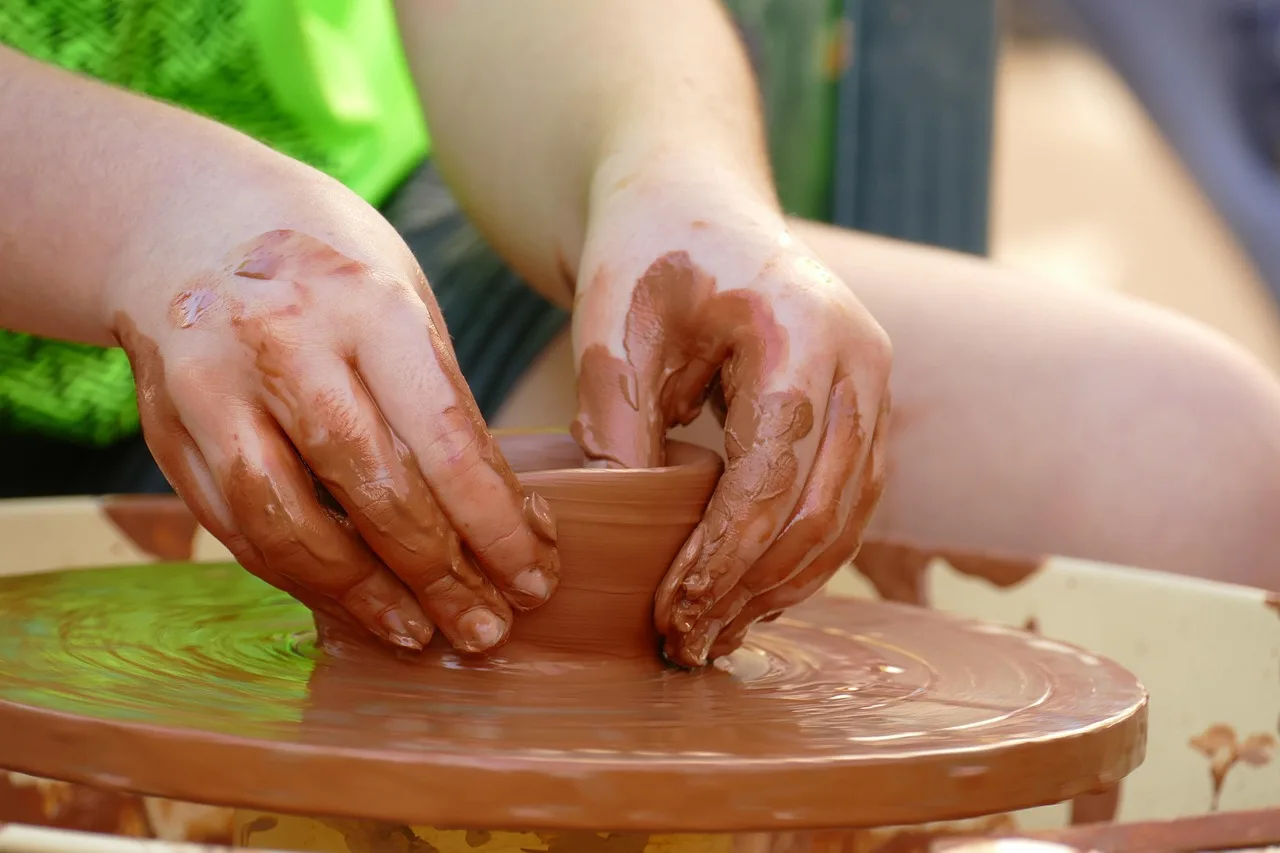
The potter centers the clay, forcing it by hand to spin true. Then they open it by pressing the thumbs down in the center of the ball almost to the wheel surface.
To pull, one hand goes inside and one outside, pressing the wall at a single point between the fingers while drawing up slowly. This repeats until the cylinder reaches height, with walls left deliberately thicker than the finished pot needs.
Only then does the potter form the shape, pushing out with the inside hand or in with the outside hand.
Two things in that description are the whole difficulty. Pressing at one point between two hands, and leaving the wall thick enough to shape afterward.
Saturday
| Block | What you do | What to record |
|---|---|---|
| Morning | Center one pound of clay, twenty times. Do not open it. | How many centered on the first try |
| Midday | Wet clean everything. Reclaim the clay. | Time taken to clean |
| Afternoon | Center and open. Stop at a flat base. | Base thickness, measured with a needle |
| End of day | Wedge the reclaim back into usable balls. | Bag weight remaining |
Twenty centerings sounds excessive and is roughly the minimum at which it stops feeling random. Nothing here gets kept.
Sunday
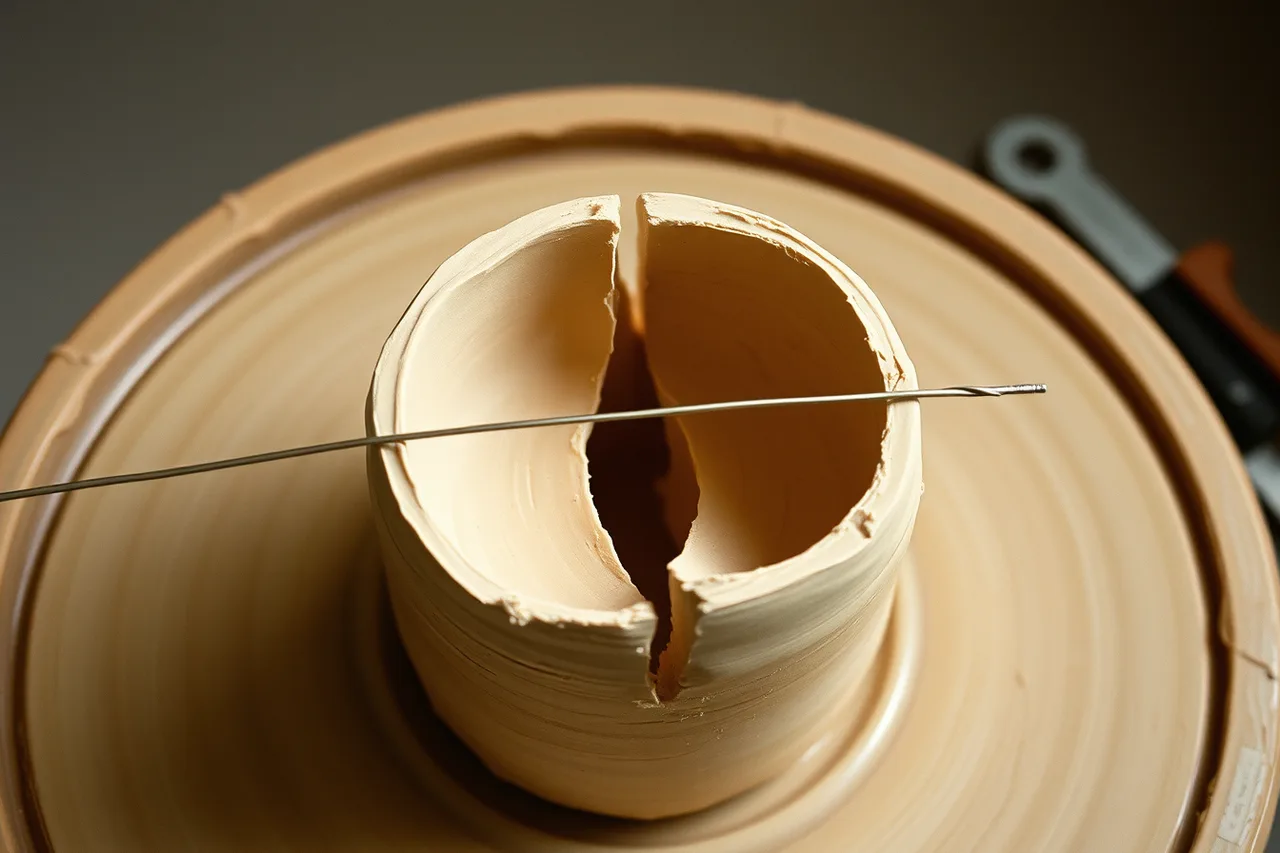
Cylinders. Same clay weight every time, three pulls each, wire off, cut in half, look at the wall. Then do it again. Aim for a wall of even thickness rather than a tall pot, and stop before you get tired, because tired throwing teaches bad habits that then need unlearning.
Finish by cleaning wet, reclaiming everything and writing the numbers down.
What to do next
Book more hours. Two days a month at a wheel produces slower progress than two hours a week, and community programs are built around exactly that.
One university community art program says its ceramics tuition includes a 25 pound bag of clay, shop glazes, some underglazes and kiln firing. Students should expect to buy additional clay and specialty materials. Intermediate and advanced students spend time outside class loading, firing and unloading kilns under supervision, and anyone registering should be able to lift 25 pounds.
That last detail is worth taking seriously before you commit. Throwing is physical, and a bag of clay is heavy. If you are still deciding on equipment, get the hours first and settle the wheel comparison afterward, then photograph the results with a consistent setup so progress is visible.
Common questions
How much clay should one weekend use?
One 25 pound bag, reclaimed repeatedly. You should end the weekend with almost as much clay as you started.
Should I keep anything from the first weekend?
Keep one cylinder from Sunday afternoon as a benchmark, unfired. Reclaim the rest without regret.
Why cut pots in half?
Because the wall thickness is invisible from the outside and it is the thing you are actually practicing. Cutting one open every few attempts is the fastest feedback available.
My arms give out after an hour. Is that normal?
Yes at first, and it is a sign of using force instead of body weight. Keep elbows braced against your body or the wheel frame, and stop when technique degrades.