Reviews
Choosing a beginner pottery wheel: 6 features to check
Six features to check on beginner pottery wheels: torque, slow pedal control, reversing, splash pan, bat pins and parts, plus the wheel safety basics.
No wheel was purchased, run or measured for this article, so there is no ranked list and no winner. What follows is a beginner pottery wheels comparison by feature: the six things worth checking on any machine, which hold across brands, plus the safety procedure that applies to every wheel.
What to take away
- Six features decide whether a wheel suits youtorque under load, pedal control at low speed, reversibility, splash pan, wheel head and bat pins, and parts and service.
- Test the pedal through its slow first quarter, not the top speed. Beginners throw slowly and need fine control there.
- A wheel is a machine with mechanical and electrical hazards. The University of Memphis safety office lists them task by task.
- Institutional studios buy one model in bulk and keep it for decades, which says a wheel is a long-lived purchase.
- On a used machine, the controller is the part most likely to be unobtainable. Check the pedal and shaft first.
The six features to compare
| Feature | Why it matters | How to judge it |
|---|---|---|
| Torque under load | Centering stalls a weak wheel | Ask what weight it centers, then try it |
| Pedal control at low speed | Trimming and finishing happen slowly | Feel the first quarter of pedal travel |
| Reversibility | Left-handed throwing, some trimming | Only useful if it stops before reversing |
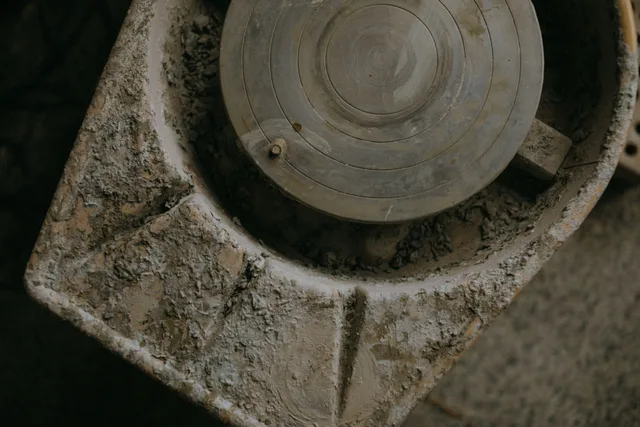
| Splash pan | Cleanup is most of the maintenance | Does it lift off in one piece and wash |
| Wheel head and bat pins | Which bats fit | Standard pin spacing saves money later |
| Parts and service | Wheels outlive their manufacturers | Ask what an element or pedal costs today |
Top speed is not on the list. Almost nobody throwing at home is limited by it.
What to compare on wheels
Feature
- Torque under load
- Centering stalls weak wheel
- Pedal control
- Trimming happens slowly
- Reversibility
- Left-handed throwing, trimming
- Splash pan
- Cleanup is most maintenance
- Wheel head, bat pins
- Which bats fit
- Parts and service
- Wheels outlive manufacturers
Why it matters
- Torque under load
- Ask weight, then try
- Pedal control
- Feel first quarter travel
- Reversibility
- Must stop before reversing
- Splash pan
- Lifts off, washes easily
- Wheel head, bat pins
- Standard spacing saves money
- Parts and service
- Ask element, pedal cost
How to judge it
- Torque under load
- Pedal control
- Reversibility
- Splash pan
- Wheel head, bat pins
- Parts and service
The wheel is a machine
It gets treated as furniture, and it is not. The University of Memphis Environmental Health and Safety office's operating procedure for potter's wheels lists the hazards task by task.
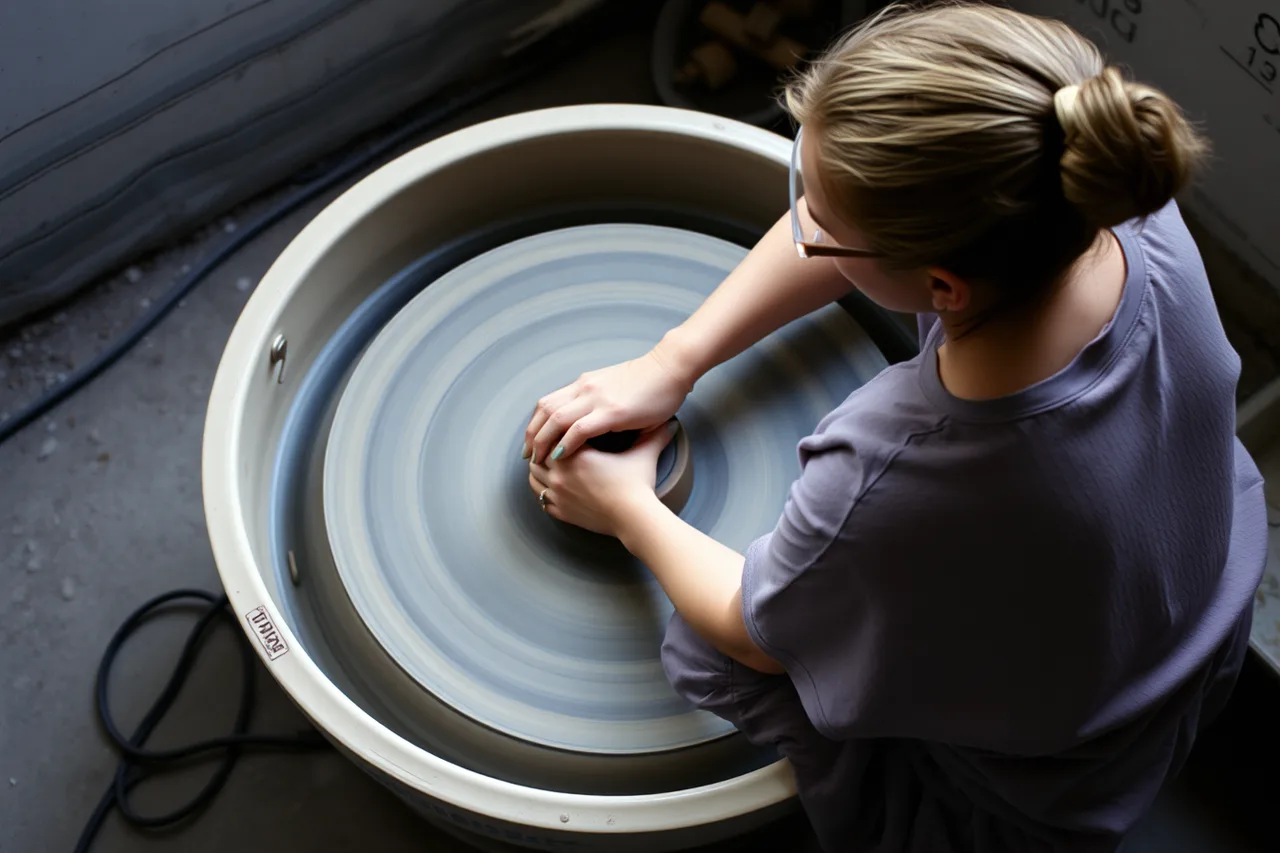
Inspect the area for slip and trip hazards and check the cord. Never operate switches with wet hands. Tie hair back and avoid loose clothing to prevent entanglement. Wear eye protection; clay flies off a spinning wheel.
Use the direction switch only after the wheel stops. Keep elbows in and avoid slumping over the work. Lift clay bags properly.
One line in that procedure needs correcting for a ceramics room. It says to sweep the floor during cleanup. Dry sweeping is the wrong control for clay dust, because it puts settled silica back into the air; wet mopping does the same job without that. Everything else transfers directly.
What institutions buy, and why it matters
The University of Cincinnati's DAAP Ceramics Lab lists thirteen wheels of a single model, the Brent CXC, plus two Soldner wheels and a kickwheel, alongside clay mixers, pug mills and a dozen kilns.
Departments standardize because parts, training and repair all get cheaper when the fleet is identical, and they keep the machines for a very long time. For a home buyer the useful inference is that the boring questions, parts and service, matter more than the exciting ones.
Buying used
A wheel has a motor, controller, pedal and shaft. Check the pedal through its whole travel. Check especially the slow end. Check the shaft for play. Run it with weight on the head if you can.
Old electronic controllers are the part most likely to be unobtainable, and beyond that age matters little. Once you have one, plan the space and storage around it and set up a practice routine that gives it regular use.
Matching the wheel to a spare room
A wheel draws on the room before it draws on your budget. Most home machines run on a standard household circuit, but the circuit, the outlet and the cord all have to suit the machine, and that is a question for a licensed electrician, not a specification sheet.
Floor area decides more than motor size. You need clearance to step around the wheel head, room to swing a bat off, and a surface within reach for tools and water. A tabletop wheel saves that floor area and gives up torque and splash management in exchange.
Noise and vibration travel through a floor. A basement or garage absorbs them better than a spare bedroom above a living space. If the room shares a wall with where anyone sleeps, that shapes the decision as much as torque does.
Common questions
Is a kickwheel worth considering?
For some people. It is silent, needs no electricity and has no controller to fail, but it demands a rhythm that takes longer to learn and more effort per pot.
How much torque do I need?
More than you think if you plan to center large amounts, and less than the marketing suggests for cups and bowls. The honest test is centering the largest weight you realistically expect to use.
Do I need a tabletop wheel or a full one?
A tabletop wheel saves floor area and gives up torque and splash management. If the space genuinely cannot hold a full wheel, it is a reasonable trade.
Should I buy a wheel before taking a class?
Rarely. A few sessions on a studio wheel will tell you more about pedal feel and seating height than any specification sheet.
In this guide
- Can community and campus pottery programs let you try a wheel first?Where to try a pottery wheel before buying one: no studios are named. What campus and community ceramics programs actually publish about access, fees.
- Beginner pottery wheels: how to photograph finished potsBeginner pottery wheels: how to photograph finished pots with one overhead light, a curved sweep, fixed white balance, and consistent records.
- Comparing pottery wheels for a first class often comes down to the bat systemPottery wheels for a first class differ most in bat system, motor type and voltage, and that choice decides what a beginner can actually throw well.
- A weekend pottery wheel plan built around centering, not finished cylindersTwo days at the wheel spent on centering and cylinders rather than finished pots, with the reason each stage exists and what is worth recording.
- Beginner pottery wheels storage: a dry, dust-free routineBeginner pottery wheels storage, from lidded slip buckets to bat stacking and an end-of-session cleanup that keeps clay dust out of your home studio.