Maintenance
Before You Dispose of Clay Water, Settle It First
Before you dispose of clay water, use the two-bucket method and jar test to settle visible solids, keep glaze rinses separate, and check local rules.

Contributor
Evelyn D. Hayes is the editorial byline assigned to this area. Background, definitions and the interpretation of available information belong to this editorial remit. Subject: Home pottery and small ceramics studios. Attention belongs to the constraints as well as the possibilities. This is an editorial pen name used by the publication, not a claim of an independently verified personal identity.
Maintenance
Before you dispose of clay water, use the two-bucket method and jar test to settle visible solids, keep glaze rinses separate, and check local rules.
Reviews
Skutt vs L&L kilns differ in dealer access, element holders, controllers, and vent options; learn which brand traits matter in a home studio.
Rules
Confirm a home kiln's Canadian electrical approval by matching the nameplate mark and model to a certification directory, then filing the provincial or territorial permit and inspection route. The guide names the authorities, forms and published fees that apply.
Costs
A home pottery studio records what happened in the kiln and what it cost, and the layout that makes both easy decides whether either gets done.
Reviews
A home pottery buying order: clay, a way to fire, then a scale, notebook and cones, with Howard show rules and California 4-H showing why records come early.
Industry
Selling pottery from a home studio: a seller's permit for sales tax, the federal lead label for decorative ware, and a small first sale run to learn pricing.
Reviews
Pottery buying for a first class: what one university studio's tuition includes, the extra clay and tool kit you pay for, and what a home studio adds.
Reviews
A materials guide from institutional studio inventories: stainless steel, sealed surfaces, refractory brick, and how to match tools and surfaces to wet clay at home.
Maintenance
Buying tools instead of hours, letting them dry dirty, mixing up bodies through shared tools, and skipping the equipment that studios treat as basic.
Industry
Pottery tools expert tips: the tool lesson nobody teaches beginners is ergonomic, grip, wrist posture and break intervals decide whether you are still making pots.
Guides
Home ceramics studio safety in a Toronto condo means silica dust control, unducted ventilation, and knowing the condo rules before you buy a kiln.
Costs
Pottery at home in Canada: explore typical clay, glaze, kiln and equipment costs, CRA registration basics, and a worked Ontario studio budget.
Features
Pottery at home in St. John's and Halifax means planning around ferry freight, salt-air humidity, and two very different greenware drying schedules.
Guides
Home ceramics studio setup in Quebec and Ontario basements: permits, kiln approvals, NEQ registration, tenant insurance and landlord consent.
Guides
A home kiln setup in BC needs longer greenware drying, dehumidifier and condensation control, and a weather check before every winter firing.
Features
How dry prairie air changes greenware drying in Calgary, how to time drying around a shared kiln load, which faults to expect, and what to log so the next batch dries evenly.
Features
A beginner project for a studio visit: four questions to ask, why the last two matter most, what to bring, and how to turn one idea into a change at home.
Industry
Independent ceramic studios companies: assess work through collections, firing details, photos, and studio safety practices.
Maintenance
A small pottery room prevents mistakes by making the safe choice the easy one, from wet clay and labeled buckets to where the reclaim bin sits.
Reviews
A ranked buying order for a home pottery studio in 2027, naming the specific tools and brands that stop the beginner mistakes like cracked rims.
Industry
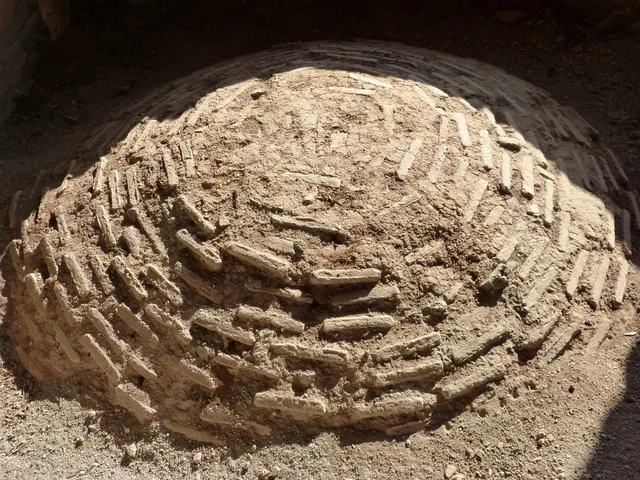
No makers were interviewed. Lessons for solo potters from a published ancient Greek kiln account and one wood firing, with labor and record keeping.
Reviews
A sealed plywood top for clay, a separate bench for plaster, and a ventilated glaze table away from dust keep a home studio clean. Matching each surface to one job stops water damage, plaster chips and contaminated glaze before they start.
Maintenance
Underfiring, glaze fit, soluble salts and handling break more home studio pots than bad luck does, and each cracked rim or shivered glaze leaves a mark you can read.
Maintenance
Four home kiln setup mistakes that ruin pots include no vent, guessed clearance, firing damp greenware, and dry cleanup that lifts silica dust into your lungs.
Reviews
Home kiln setup materials in order: a mid-fire clay body, matching Orton cones, dinnerware-safe glaze, shelves and kiln wash, then tile and leach tests.
Reviews
Which pottery work surfaces are worth buying, which are worth making yourself, and why plaster is the cheap material that has no real substitute.
Reviews
What each pottery work surface actually does, why canvas is a dust problem, and how to choose a table when no product test exists to lean on.
Guides
A weekend ceramics plan built around one repeated form, slow drying, and a leather-hard trimming window. It explains why bisque firing and glazing come later, adds home-studio drying guidance, and includes a kiln timeline plus a leather-hard checklist for beginners.
Reviews
Beginner pottery wheels storage, from lidded slip buckets to bat stacking and an end-of-session cleanup that keeps clay dust out of your home studio.
Reviews
Clay and glaze materials for small ceramics projects: how silica, fluxes and alumina work, which raw powders are hazardous, and why glaze fit decides.
Reviews
The short tool list small ceramics actually needs, what each item does, and the studio machines you can ignore until the work outgrows your hands.
Guides
The cheap version of a safe home pottery space: what to spend real money on, what to improvise, and the one corner of the budget never to cut.
Guides
Two days at the wheel spent on centering and cylinders rather than finished pots, with the reason each stage exists and what is worth recording.
Reviews
Six features to check on beginner pottery wheels: torque, slow pedal control, reversing, splash pan, bat pins and parts, plus the wheel safety basics.
Industry
Where to try a pottery wheel before buying one: no studios are named. What campus and community ceramics programs actually publish about access, fees.
Guides
Plan a home pottery studio around clay, glaze and kiln plus a drying shelf, three stages that decide ventilation, storage and where the wheel can sit.
Industry
Home pottery costs makers can track with batch records; one shared-studio example shows equipment, firing rules, and access requirements.
Reviews
Buy clay, a surface and dust control before any machine. Firing access decides what you need to own, and a wheel is the last purchase, not the first.