Reviews
Skutt vs L&L Kilns: Home Studio Brand Differences
Skutt vs L&L kilns differ in dealer access, element holders, controllers, and vent options; learn which brand traits matter in a home studio.
What to take away
- Skutt and L&L both build electric kilns in the United States and list models with Underwriters Laboratories.
- L&L spends on brick and ceramic element holders. Skutt spends on controllers and a broad dealer network.
- Buy the brand with a service point you can reach by car, since kiln repairs travel by freight.
- Neither brand removes the need for a dedicated 240-volt circuit, outdoor venting, or clearance from combustibles.
- Neither is right if your panel cannot carry the load or your lease bans outdoor exhaust.
What a home studio kiln has to do
A spare-room kiln fires to cone 6 on household power and moves fumes outdoors without cooking the drywall. Those jobs drive most of the real difference between Skutt and L&L.
Skutt Ceramic Products is in Tualatin, Oregon. L&L Kiln Mfg. is in Swedesboro, New Jersey. Both assemble hobby and studio lines in the US and publish UL listings for many models.
Ask for the listing sheet before buying; an inspector will look for the nameplate label. NFPA 70 sets dedicated branch circuit and overcurrent rules a kiln installation must meet.
What the two brands actually sell
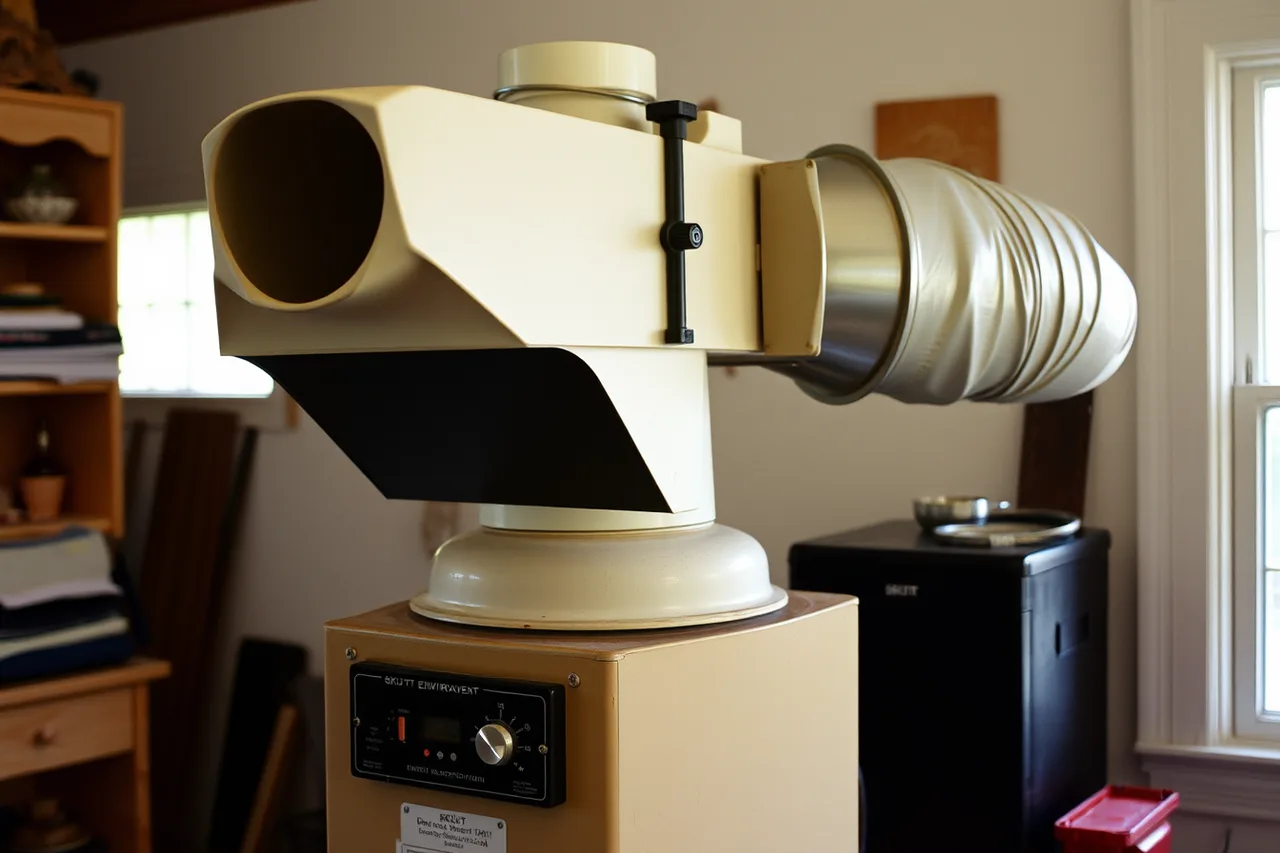
Skutt's home range runs from the small KS-818 through the KM-1027 and the larger KM-1227, with the KilnMaster controller as the digital option on most models. Skutt also sells the EnviroVent, a downdraft unit that pulls fumes from the lid and pushes them outside.
L&L's Easy-Fire and Jupiter lines cover similar chamber sizes. The company sells the DynaTrol controller and the Vent-Sure vent. Its signature hardware is the hard ceramic element holder, which lets an owner change an element without pinning it into soft brick.
Both firms reach cone 10 in some models, which a spare-room studio rarely needs. Decide how to pick a clay body, glaze and cone before you size the chamber, because a kiln bought for the wrong cone wastes money twice.
The criteria that matter in a spare room
Six things separate these brands for a home buyer. Work down the table before you compare price.
Why it decides the purchase
- Branch circuit
- A kiln draws more than any other household appliance
- Venting path
- Fumes and particulate must leave the room, not settle in it
- Brick and case
- Wall thickness sets heat retention and room temperature
- Element access
- Elements fail first, and the fix decides who can repair
- Controller
- It holds the schedule and reports the faults you read
- Service distance
- Most kilns travel by freight, not parcel
How to check it
- Branch circuit
- Ask for the panel load and a dedicated circuit quote
- Venting path
- Confirm a wall, window, or dryer-style exhaust route
- Brick and case
- Compare brick thickness and case gauge
- Element access
- Read the element replacement instructions
- Controller
- Compare presets, thermocouple type, and error codes
- Service distance
- Find the nearest dealer and read the freight terms
A kiln that cannot be repaired within driving distance becomes a shelf. Weight the service radius as heavily as the firing curve.
Then narrow it in three steps:
- Confirm the panel can take a dedicated circuit and get the amperage in writing.
- Choose a chamber that fits your largest planned piece plus shelf posts.
- Call the two nearest dealers and ask what parts they stock.
A well-planned small space settles these questions before delivery day rather than after.
Skutt as a choice
Skutt's advantage is distribution. Most US ceramic suppliers carry the brand, so a buyer in a mid-size city can usually reach a dealer who stocks elements, thermocouples, and lids. That matters when a kiln fails during a production run, because a parts counter beats a freight shipment.
L&L as a choice
L&L's advantage is the chamber. Hard ceramic element holders, a brick-lined case, and zone control on larger models hold an even temperature more easily.
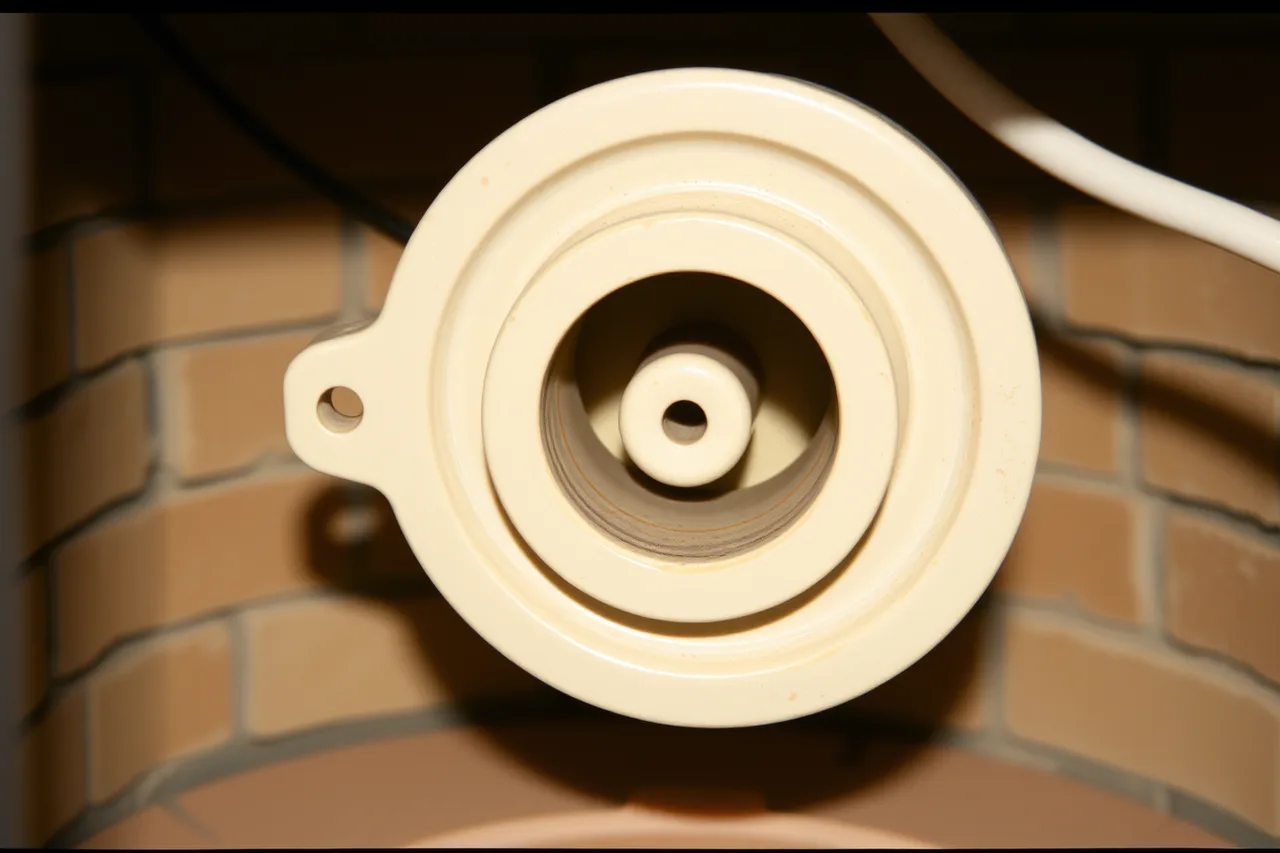
An element change becomes a screwdriver job, not a brick-pinning job, which some owners value more than a local counter. Keep a firing log from the first bisque so controller faults become patterns, not surprises.
Where each brand is the right call
Skutt is the right call for a potter who wants a dealer in town and a kiln that someone nearby can service. That matters most when you sell at weekend markets, where a dead kiln costs orders.
L&L is the right call for a potter who expects to fire often, wants to change elements personally, and prefers a heavier case that cools slowly in a small room. Firing to cone 6 several times a month gets more from the chamber design than from the dealer map.
What neither brand solves
Neither brand solves the circuit. A 240-volt kiln needs its own branch circuit, and many older US houses have a full panel. Neither brand solves ventilation either. EPA guidance on volatile organic compounds and indoor air quality explains why a spare room without real exhaust is the wrong place to fire, whatever name sits on the lid.
Neither brand solves insurance. Many homeowner policies limit or exclude kilns, so a studio that sells work needs separate cover, and the SBA guide to business insurance is the place to start.
Clearances are the third gap. The lessons makers learn about combustible clearances usually arrive after the first firing.