Maintenance
Before You Dispose of Clay Water, Settle It First
Before you dispose of clay water, use the two-bucket method and jar test to settle visible solids, keep glaze rinses separate, and check local rules.
What to take away
- To dispose of clay water, first settle visible solids and use the jar test; a clear jar does not establish that drain discharge is allowed.
- Keep glaze rinse water separate from clay water and confirm local disposal instructions.
- Two five-gallon buckets, a quart jar and a plaster bat cover the whole routine.
- Call your city sewer authority or septic hauler once, then write the answer on the bucket lid.
What you need before starting
Two five-gallon buckets do most of the work. Mark one settling and one clear. Add a quart jar with a lid, a kitchen sieve, a lidded trash can, nitrile gloves and a respirator. A plaster bat or a lined tray catches the sludge. Keep a third, smaller container for glaze rinse water alone.
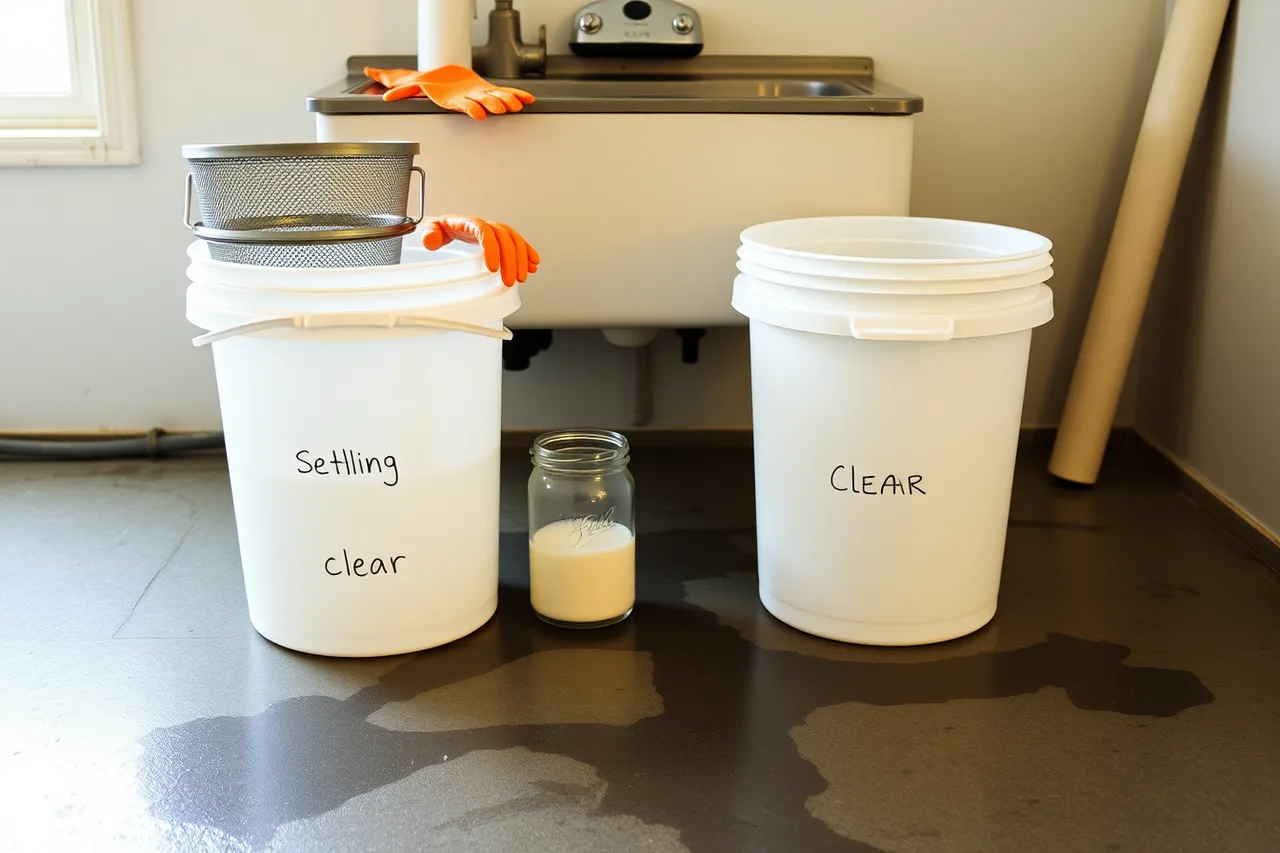
Where all of it lives matters as much as what it is. The small space setup that keeps wet work off the throwing floor is the pattern to copy.
The sequence
- Park the settling bucket beside the sink, with the clear bucket behind it on a floor that can get wet.
- Pour throwing water through the sieve into the settling bucket, catching tools and sponge scraps in the sieve.
- Leave the bucket for 24 hours with the lid set loosely on top.
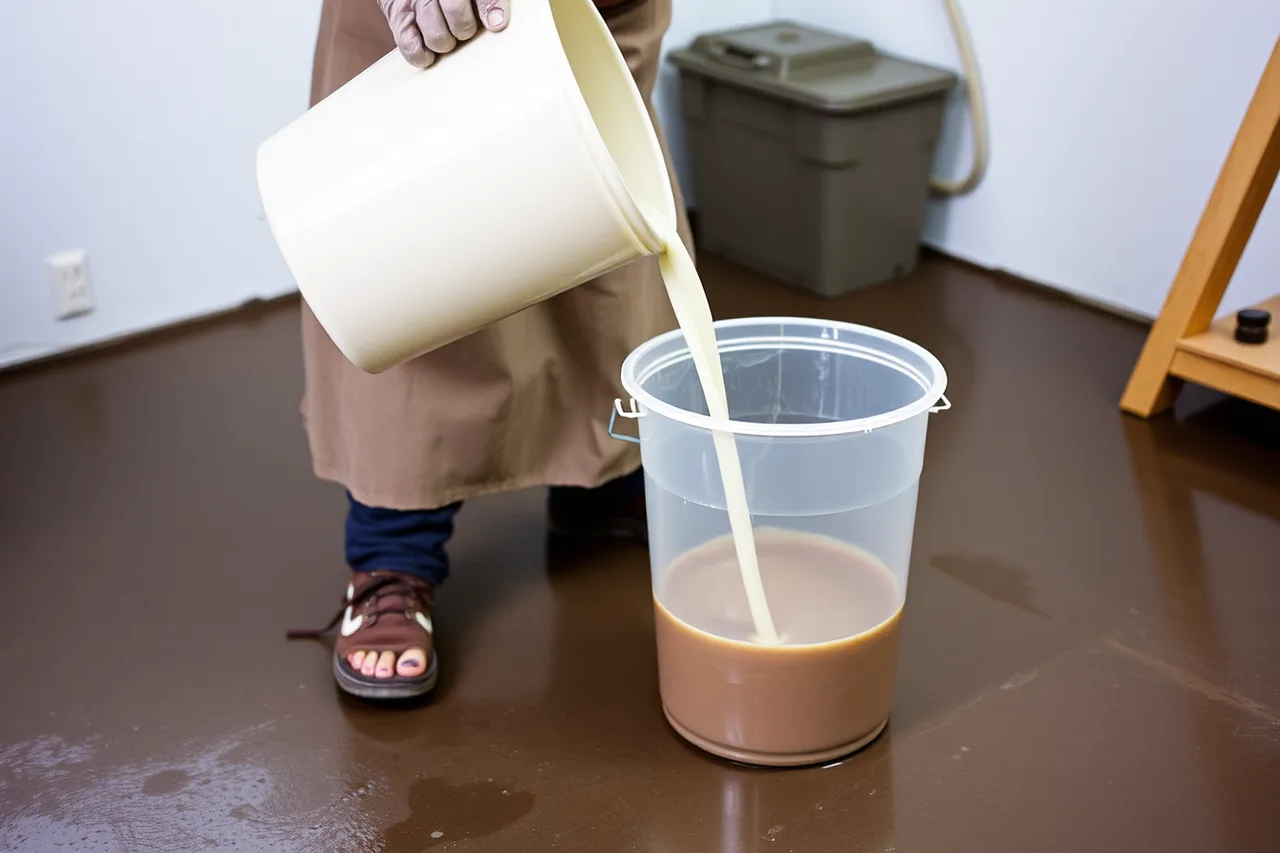
- Pour the top two-thirds into the clear bucket in one slow motion, stopping while the stream still runs thin and pale.
- Fill the jar from the clear bucket and set it aside overnight. The jar is the test, not your memory of the color.
- If the jar reads clear in the morning, the visible solids have settled. Do not treat clarity as permission to pour it down a drain; follow your sewer authority's rules, or ask your septic hauler what is allowed.
- Scrape the settled sludge onto a plaster bat and air dry it for a week, wearing the respirator. The NIOSH respirator guidance covers filter classes for fine dust.
- Bag the dry solids. Many cities refuse glaze solids in household trash, so check before they go in the bin.
Glaze rinse water never joins those buckets. It gets a lidded container of its own, and every tool that touches it is rinsed over that container instead of the sink. Keep it contained while you contact your local household hazardous waste program or a licensed hauler to ask whether it accepts ceramic glaze waste. The EPA household hazardous waste page shows what a drop-off accepts.
Where judgement replaces the recipe
Settling time follows the clay body, not the potter. Red earthenware slakes fast; porcelain can hang in suspension for days. Disposal rules are separate and depend on your wastewater system.
Placement is the other judgement. The home kiln setup mistakes that beginners make at home repeat at a wash station, from damp floors to clearance around equipment.
Glaze waste is a harder call. It carries barium, cobalt and sometimes lead, and those metals do not break down in a septic tank or at a treatment plant. Ask your city what its limit is before you pour.
How to tell it is right
The jar test is the call. Cap a sample, let it stand overnight, then hold the jar up against newsprint.
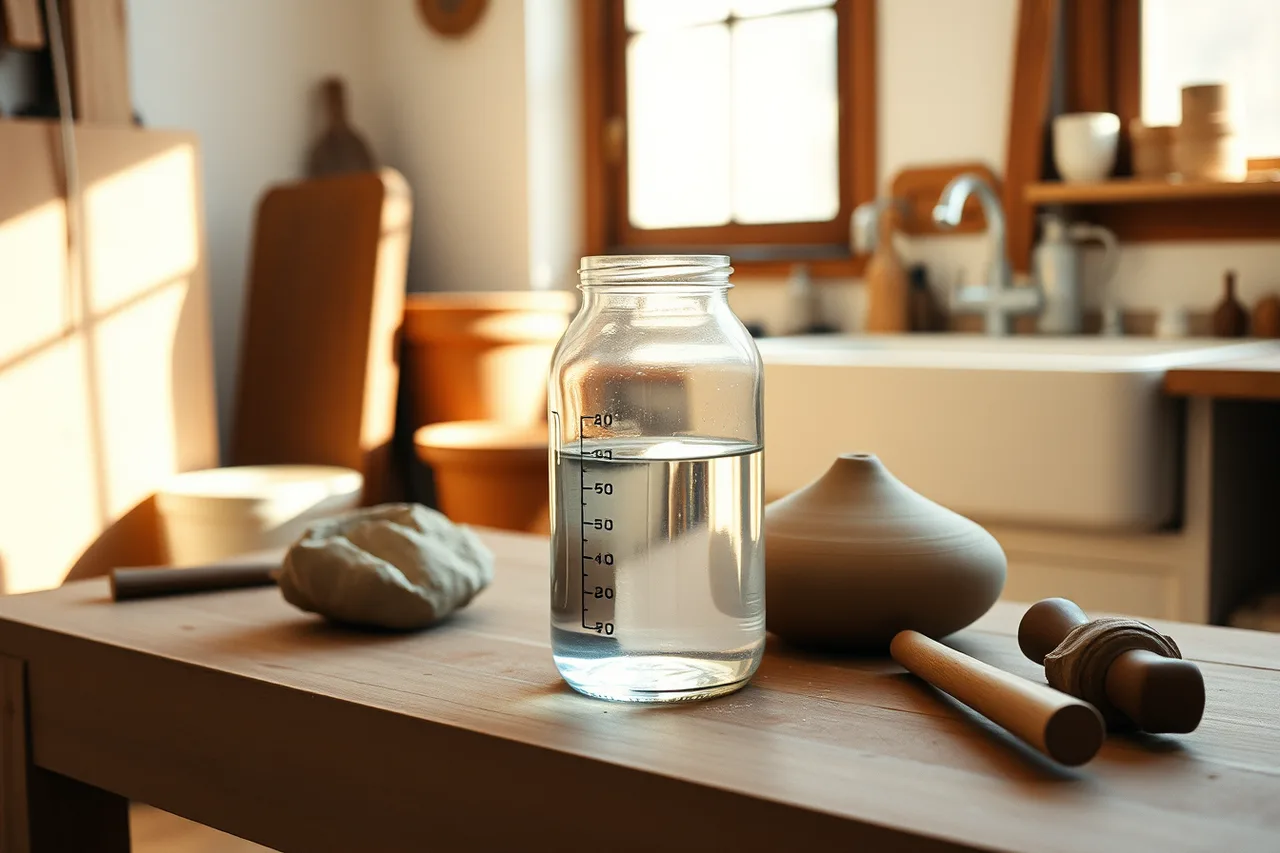
If you can read a headline through the water, the solids have dropped far enough.
The second test is the squeeze. Press a handful of dried sludge; if water runs between your fingers, leave it on the bat another week. If it crumbles and dusts, it is ready to bag.
Settling time follows the clay body, not the potter. The guide to pick a clay body with the waste stream in mind explains why some clay stays cloudy for days.
Fixing it when it is not
A cloudy clear bucket is the usual failure, and the fix is the two-bucket reset. Pour the water back into the settling bucket, add nothing, wait a full day and test again. Do not tip a half-settled bucket down the drain to save a day.
A sour smell means organic growth from clay and sponge water, so wash the bucket with hot water and dry it in the sun. If the doubt is what your city allows down the drain, ask your sewer authority; the EPA hazardous waste pages explain the distinction between household waste and regulated waste.
Example: one week in a spare room
A maker throws three evenings a week and fills about three gallons of clay water. Monday's water starts the settling bucket. Friday is check-and-decant day: test the water in a jar, follow local disposal rules for clear water, and put sludge onto a bat. Glaze rinsing happens once a week in its own lidded bucket.
Dried glaze solids collect in a coffee can until the county household hazardous waste program confirms whether it accepts them. Outfitting the bench around this is simple, and a beginner tool kit for small ceramics projects covers the rest.