Guides
Pottery supplies in Canada: label claims, seller questions, storage
Pottery supplies in Canada: what label claims mean, four questions to put to a distributor before you pay, and how to store powders and wet clay in winter.
What to take away
- A label is a claim about a product, not a promise about your kiln, your water or your firing schedule.
- Cone is the term most often misread, because it records heat work and not a single temperature.
- Four questions to the seller settle cone, shipping origin, wet weight and winter stock before you pay.
- Container arrivals and winter freezing decide when stock is on the shelf and how a wet body behaves.
- Store powders sealed, dry and above freezing, and fire through older stock first.
Read the label as a claim
A label is a claim about a product. It is not a promise about your kiln, your water or your firing schedule. Each common term below says what the maker means and leaves a gap that only your own firing and testing can close.
| Label term | What it means | What it leaves open |
|---|---|---|
| Cone 6 | A heat-work rating, where a pyrometric cone bends after a set time at a set heating rate | Whether your elements and schedule deliver that heat work evenly |
| Lead-free | No lead compound was added to the recipe | Cadmium and other metals, and whether the fired surface suits food |
| Food safe | The maker states the fired glaze meets leachable limits for the stated use | Your clay body, your firing, and how the pot is used |
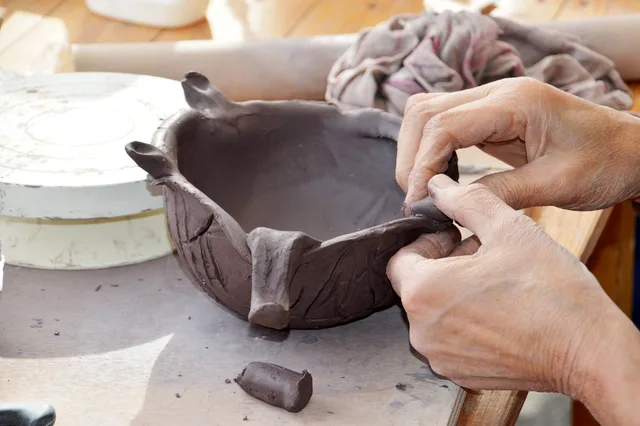
| Grogged | Fired clay particles added to open the body for handbuilding | How far the grog shortens the working range |
Cone is the term most often misread. A cone number records heat work, the combined effect of temperature and time. A kiln that holds peak temperature an hour longer than the schedule assumes can overfire a body rated for less.
A body that never reaches its rated cone wastes clay, glaze and firing time, so check the rating against your kiln before you order. The guide to choosing a clay body covers matching body, glaze and kiln.
Glaze chemistry decides what sits in the bucket, and that decides how you handle the powder. Canada's Glazed Ceramics and Glassware Regulations set migratable lead and cadmium limits for glazed or decorated ceramic foodware, so a lead-free label on a bucket describes the recipe, not the finished pot.
The safety data sheet (SDS) sets out what to protect against when you open a powder, so ask the supplier for it and read it before the first scoop. A home studio's wider dust, glaze and kiln considerations sit in a separate home pottery overview.
Four questions to settle before you order
Email is the right channel, because answers arrive in writing. Four questions settle most risk, and each maps to a cost that otherwise shows up after you pay. Put them to a distributor such as Plainsman, Tucker's, Greenbarn or Pottery Supply House, and keep the replies with the order.
- What cone does this body fire to, and is that rating batch-consistent?
- Does the order ship from your warehouse or a US one?
- What is a box's wet weight, and how is a pallet delivered home?
- Do you hold this glaze through winter, or is it ordered in?
Four questions before ordering
- Cone rating and batch consistency
- Warehouse location and country of dispatch
- Wet weight per box and pallet terms for a residence
- Winter stock position and restock date
Question two matters because an item mailed to Canada may be subject to GST and duty, with brokerage billed before delivery on a US parcel. A Canadian distributor settles duty and tax on what it brings in and quotes you in Canadian dollars.
Container timing and winter stock
Canadian distributors have already cleared the border, so duty and brokerage are settled before the clay reaches you. What they cannot settle is timing: overseas clay, frit and kiln parts land in bursts, so a popular body can sit on backorder for weeks.
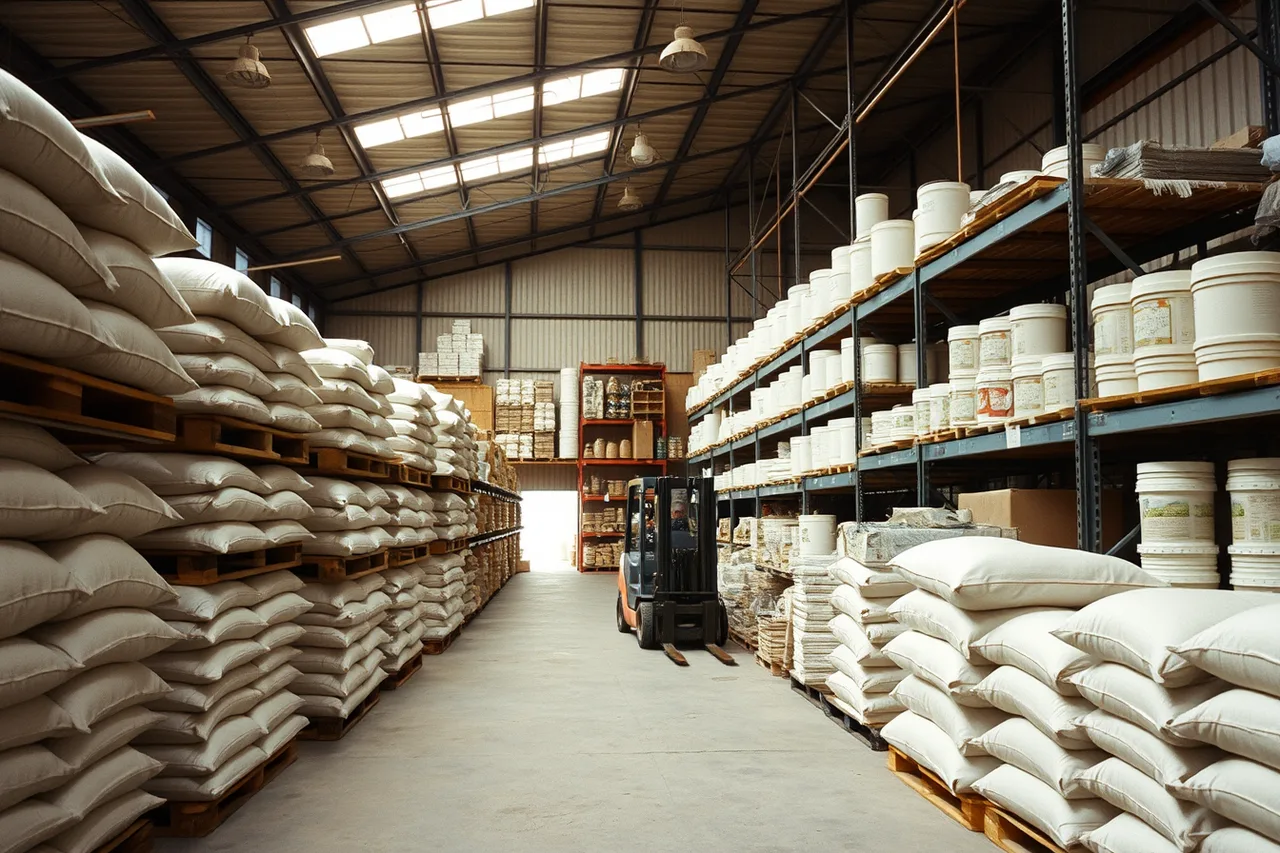
Ask when the next container is due before you plan a run of work. The same applies to glazes, because a glaze that is ordered in rather than held can leave a half-finished batch waiting for the last bucket to arrive.
Canadian pottery stock through the year
- Container arrivaloverseas clay, frit and kiln parts land in bursts
- Backorder weekspopular bodies sit out until the next container
- Winter crossingpallets freeze and thaw across the Prairies
- Room temperaturewet bodies need warming and wedging before centring
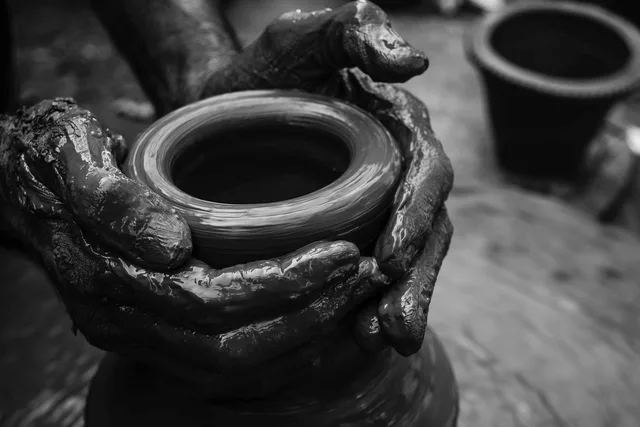
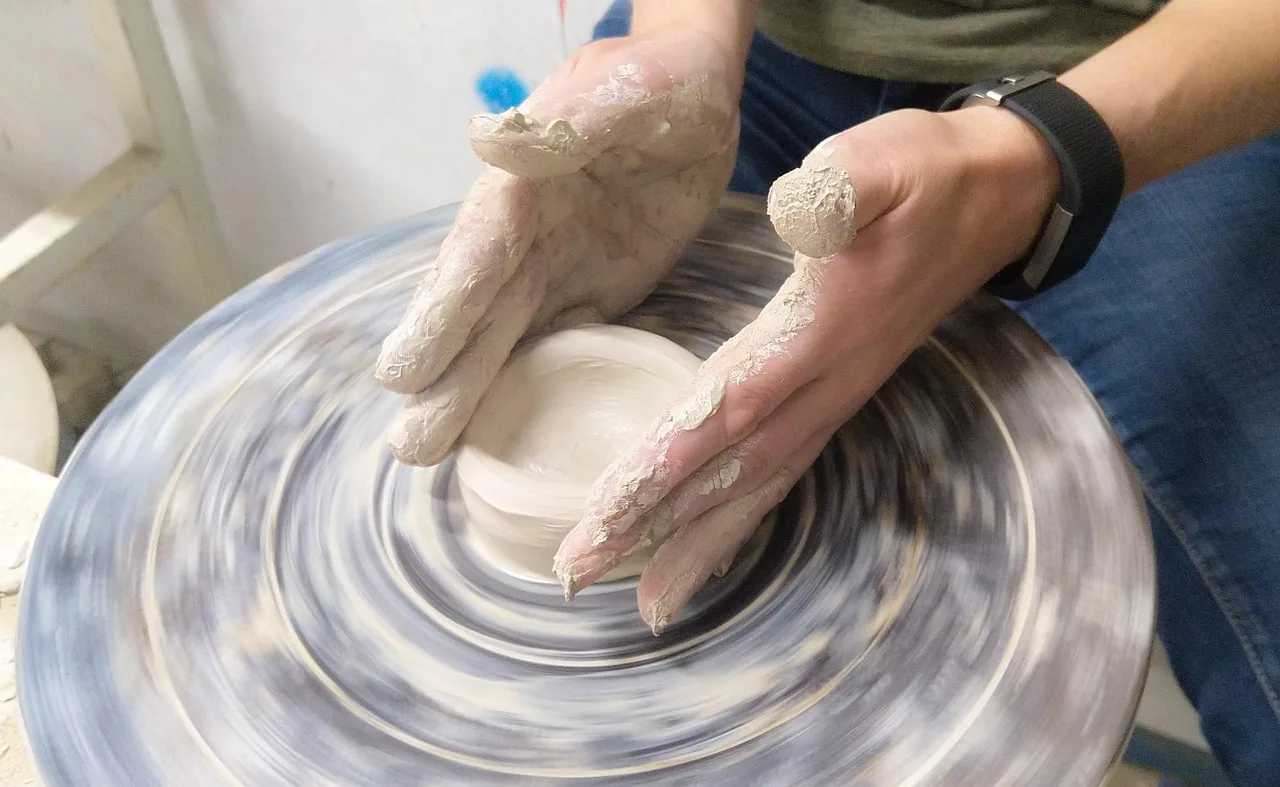
Winter adds a second variable. A pallet crossing the Prairies in January may freeze and thaw more than once. Dry materials shrug that off. A wet body needs time at room temperature and a proper wedging before it centers well.
Store it dry, sealed and above freezing
Powders and buckets need a shelf that stays dry and above freezing, and away from the wheel where dust settles. Sealed bins keep a weighed recipe honest, and the storage guide covers wet clay, dry chemicals and fired work.
Store dry materials in sealed bins, off the floor, in a space that stays above 5 C all year.
A bag of feldspar or ball clay left on a concrete slab through a damp spring pulls moisture upward, cakes at the bottom, and turns a weighed recipe into an approximation. Freeze-thaw cycles do the same to a glaze bucket: it skins over, settles hard, and the batch mixed in March no longer matches the one tested in November.
Rotation matters as much as the seal. Firing through older stock first stops a bulk order from becoming shelf decoration, and a dated bin tells you which bag to open next. A fixed shelf for each material helps in a small home pottery room.
Buy in quantities you will fire through in one season, and check a bulk price against the cost per pot comparison. Caked powder, settled glaze and broken greenware are all supply losses, and the case to treat pottery losses as a line item is that they otherwise vanish into the general budget.
Common questions
Does a lead-free label make a glaze food safe?
No. Lead-free means no lead compound was added to the recipe. Cadmium, other metals, your clay body and your firing stay open.
Is Cone 6 a temperature?
No. A cone records heat work, the combined effect of temperature and time, and a kiln that holds peak temperature longer than the schedule assumes can overfire a body rated for less.
Do I pay duty when I buy from a Canadian distributor?
No. Duty, GST and brokerage are settled when the distributor imports, so you pay the shelf price in CAD.
Can I keep clay in an unheated garage?
Dry powders handle cold weather. A wet body that freezes and thaws repeatedly stiffens unevenly, so keep it indoors and re-wedge before use.